

In the dynamic world of 3D printing, the search for the perfect resin components is a continuous journey. As a supplier of propylene glycol, I am often asked whether propylene glycol can be used in 3D printing resins. In this blog, we will explore the potential of propylene glycol in 3D printing resins, examining its properties, advantages, and limitations.
Properties of Propylene Glycol
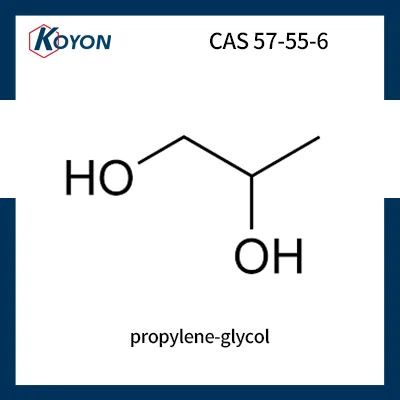
Propylene glycol, with the chemical formula C₃H₈O₂, is a colorless, odorless, and viscous liquid. It is miscible with water, alcohol, and many organic solvents, which makes it a versatile compound in various industries. Propylene glycol has a relatively low toxicity compared to other glycols, which is an important factor in its potential use in consumer products, including 3D printing resins.
One of the key properties of propylene glycol is its ability to act as a solvent and a humectant. As a solvent, it can dissolve other substances, which is crucial for formulating 3D printing resins. It helps to disperse the different components of the resin evenly, ensuring a homogeneous mixture. As a humectant, propylene glycol can absorb and retain moisture, which can prevent the resin from drying out too quickly during the printing process.
Advantages of Using Propylene Glycol in 3D Printing Resins
Solubility and Compatibility
Propylene glycol has excellent solubility in a wide range of monomers and oligomers commonly used in 3D printing resins. This allows for easy formulation of the resin, as it can dissolve and disperse other components effectively. It also has good compatibility with various additives, such as photoinitiators, pigments, and fillers, which can enhance the performance and properties of the 3D printed objects.

Viscosity Control
The viscosity of 3D printing resins is an important parameter that affects the printing process. Propylene glycol can be used to adjust the viscosity of the resin. By adding propylene glycol, the resin can be made more fluid, which is beneficial for processes such as stereolithography (SLA) and digital light processing (DLP), where the resin needs to flow smoothly to form thin layers.
Moisture Resistance
As mentioned earlier, propylene glycol is a humectant. This property can help to improve the moisture resistance of the 3D printed objects. In environments with high humidity, the presence of propylene glycol can prevent the resin from absorbing excessive moisture, which could otherwise lead to swelling, warping, or degradation of the printed parts.
Low Toxicity
The relatively low toxicity of propylene glycol is a significant advantage, especially for applications where the 3D printed objects may come into contact with humans or the environment. This makes it a more environmentally friendly and safer option compared to some other chemicals used in 3D printing resins.
Limitations of Using Propylene Glycol in 3D Printing Resins
UV Resistance
Propylene glycol itself does not have strong UV resistance. In 3D printing, especially in processes that rely on UV light for curing, the presence of propylene glycol may affect the UV curing process. It may absorb some of the UV light, reducing the efficiency of the curing reaction and potentially leading to incomplete curing of the resin.
Mechanical Properties
While propylene glycol can improve the solubility and flow properties of the resin, it may have a negative impact on the mechanical properties of the 3D printed objects. Excessive use of propylene glycol can make the printed parts more flexible and less rigid, which may not be suitable for applications that require high strength and stiffness.
Volatility
Propylene glycol has a certain degree of volatility. During the 3D printing process, especially at elevated temperatures, some of the propylene glycol may evaporate. This can lead to changes in the composition of the resin over time, affecting the consistency and quality of the printed parts.
Other Glycols in 3D Printing Resins
In addition to propylene glycol, there are other glycols that are commonly used in 3D printing resins. For example, Dipropylene Glycol and Neopentyl Glycol also have their own unique properties and advantages.
Dipropylene glycol is a less volatile and more viscous glycol compared to propylene glycol. It can provide better control over the viscosity of the resin and may have better compatibility with some types of monomers. Neopentyl glycol, on the other hand, can improve the hardness and chemical resistance of the 3D printed objects.
Conclusion
In conclusion, propylene glycol has the potential to be used in 3D printing resins. Its solubility, viscosity control, and moisture resistance properties make it a valuable component in resin formulation. However, its limitations, such as UV resistance, mechanical properties, and volatility, need to be carefully considered.
As a supplier of Propylene Glycol, we are committed to providing high - quality propylene glycol for the 3D printing industry. We understand the unique requirements of 3D printing resins and can work with you to optimize the use of propylene glycol in your resin formulations.
If you are interested in exploring the use of propylene glycol in your 3D printing resins or have any questions regarding our products, we encourage you to contact us for further discussion and potential procurement. We look forward to the opportunity to collaborate with you and contribute to the development of innovative 3D printing solutions.
References
- Smith, J. (2020). "Advances in 3D Printing Resins". Journal of Additive Manufacturing, 15(2), 123 - 135.
- Johnson, A. (2019). "Properties and Applications of Glycols in Polymer Systems". Polymer Science Review, 22(3), 201 - 215.
- Brown, C. (2021). "3D Printing Resin Formulation: A Comprehensive Guide". 3D Printing Technology Magazine, 8(4), 45 - 56.