

Yo! I'm a supplier of polyether polyols, and today I wanna chat about the role these nifty chemicals play in the construction industry. Polyether polyols might not be the first thing that comes to mind when you think about building stuff, but they're super important.
Insulation: Keeping the Heat In and the Cold Out
One of the biggest roles of polyether polyols in construction is in insulation. You see, when polyether polyols react with isocyanates, they form polyurethane foams. These foams are used as insulation materials in buildings. They're great at trapping air, which is a poor conductor of heat. So, they help keep the inside of a building warm in the winter and cool in the summer.
For example, in a cold climate, a well - insulated building can save a ton of energy on heating. The polyurethane foam insulation made from polyether polyols acts as a barrier, preventing the warm air inside from escaping. On the other hand, in a hot climate, it stops the outside heat from getting in. This not only makes the building more comfortable but also reduces energy costs.
There are different types of polyether polyols used for insulation. Amine - initiatied Polyether Polyols for Rigid Foams are often used because they can provide high - performance insulation. They have a good balance of properties, like low thermal conductivity and high compressive strength. This means they can keep the heat out or in, and they can also withstand the weight and pressure in the building structure.
Adhesives and Sealants: Holding It All Together
Polyether polyols are also key ingredients in adhesives and sealants. In construction, you need to stick different materials together, like wood, metal, and concrete. Adhesives made with polyether polyols can bond these materials effectively. They have good adhesion properties, which means they can hold the materials firmly in place.
Sealants, on the other hand, are used to fill gaps and prevent air, water, and dust from getting into the building. Polyether - based sealants are flexible and durable. They can expand and contract with changes in temperature and humidity without losing their sealing properties. This is really important in a building, where different materials might expand or contract at different rates.
Polyether Polyols for CASE are commonly used for adhesives and sealants in the construction industry. The CASE in the name stands for Coatings, Adhesives, Sealants, and Elastomers. These polyols can be formulated to meet different requirements, whether it's a high - strength adhesive for a heavy - duty construction project or a flexible sealant for a window frame.
Coatings: Protecting the Building
Polyether polyols are also used in coatings for construction. Coatings serve several purposes. They can protect the building materials from damage, like corrosion in metals or rot in wood. They can also give the building a nice appearance.
For metallic structures, polyether - based coatings can prevent rust and corrosion. They form a protective layer on the surface of the metal, stopping moisture and oxygen from reaching it. In wooden buildings, coatings can protect the wood from water, insects, and UV rays.
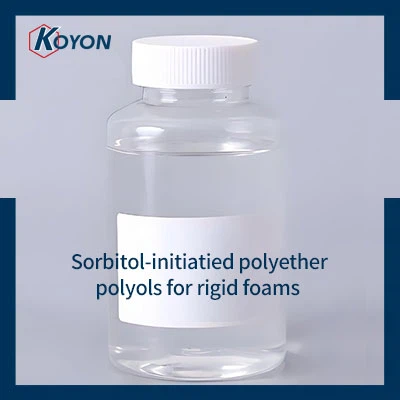
There are different types of coatings, including solvent - based and water - based coatings. The choice of polyether polyols can affect the properties of the coating, like its drying time, hardness, and gloss. For example, Sorbitol - initiatied Polyether Polyols for Rigid Foams can be used in some types of coatings to achieve specific performance characteristics.

Lightweight and High - Strength Materials
In construction, there's always a need for materials that are both lightweight and high - strength. Polyether polyols can be used to make polyurethane composites that meet these requirements. These composites can be used in various building components, such as wall panels, roofing materials, and structural elements.
The use of polyurethane composites can reduce the overall weight of the building, which is beneficial for transportation, installation, and the structural load of the building. At the same time, they can provide high strength and durability, ensuring the long - term performance of the building.
Sound Insulation
Sound insulation is another important aspect in construction, especially in buildings like apartments, offices, and hospitals. Polyurethane foams made from polyether polyols can also act as excellent sound - insulating materials. They can absorb sound waves and reduce noise transmission between different rooms or from the outside.
In a noisy urban environment, a building with good sound insulation can provide a more peaceful and comfortable living or working environment. The porous structure of the polyurethane foam helps to dissipate sound energy, making it an effective solution for sound control.
Fire Resistance
Safety is a top priority in construction, and fire resistance is a crucial factor. Some polyether polyols can be formulated to have fire - resistant properties. When used in insulation, coatings, or other building materials, they can help slow down the spread of fire in case of an emergency.
Fire - resistant polyether polyols often have additives that can release substances to suppress the fire or form a protective layer to prevent the further spread of flames. This can give people more time to evacuate the building and reduce the damage caused by fire.
Why Choose Our Polyether Polyols
As a supplier of polyether polyols, we understand the specific needs of the construction industry. We offer a wide range of high - quality polyether polyols that are tailored to different applications. Whether you need polyols for insulation, adhesives, coatings, or any other construction use, we've got you covered.
Our products are reliable, consistent, and meet the highest industry standards. We also have a team of experts who can provide technical support and advice. If you're working on a construction project and need the right polyether polyols, don't hesitate to reach out. We can help you find the best solution for your needs.
If you're interested in discussing a potential purchase or have any questions about our polyether polyols, feel free to contact us. We're looking forward to working with you and helping you create amazing construction projects.
References
- Handbook of Polyurethanes
- Construction Materials Science and Technology Journal papers on Polyether Polyols in Construction