

Can propylene glycol be used in insulation materials?
As a supplier of propylene glycol, I've often been asked about the potential applications of this versatile compound. One area that has recently piqued the interest of many is its use in insulation materials. In this blog post, I'll explore the properties of propylene glycol and examine whether it can indeed be used effectively in insulation.
Understanding Propylene Glycol
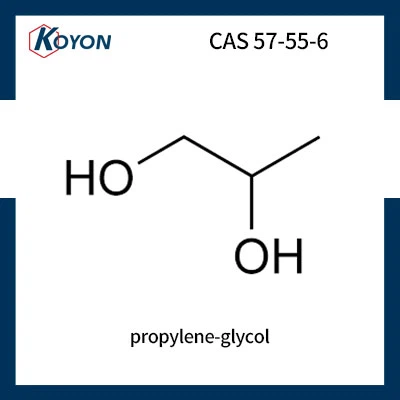
Propylene glycol, with the chemical formula C₃H₈O₂, is a colorless, odorless, and viscous liquid. It is miscible with water, alcohol, and many other organic solvents. Propylene glycol is widely used in various industries, including food, pharmaceuticals, cosmetics, and chemical manufacturing. Its low toxicity, high boiling point, and good solubility make it an attractive choice for many applications. You can learn more about Propylene Glycol on our website.
Key Properties for Insulation
When considering a material for insulation, several key properties come into play. These include thermal conductivity, fire resistance, moisture resistance, and durability. Let's take a closer look at how propylene glycol fares in these areas.
Thermal Conductivity
Thermal conductivity is a measure of a material's ability to conduct heat. A good insulation material should have low thermal conductivity to minimize heat transfer. Propylene glycol has a relatively low thermal conductivity compared to some other common liquids. However, its thermal insulation properties are not as high as those of traditional insulation materials such as fiberglass, foam, or cellulose.
In general, propylene glycol is not used on its own as a primary insulation material due to its relatively high thermal conductivity compared to specialized insulation materials. However, it can be used in combination with other substances to enhance certain properties of insulation systems. For example, it can be used as a component in insulation fluids or in the manufacturing of insulation polymers.
Fire Resistance
Fire resistance is another important factor in insulation materials. Propylene glycol is combustible, but it has a relatively high flash point (107 °C or 225 °F). This means that it requires a relatively high temperature to ignite compared to some other flammable liquids. However, when used in insulation applications, additional fire - retardant additives may be required to meet safety standards.
Moisture Resistance
Moisture can significantly reduce the effectiveness of insulation materials. Propylene glycol is hygroscopic, which means it can absorb moisture from the air. While this property can be a drawback in some insulation applications, it can also be beneficial in certain situations. For example, in some closed - loop insulation systems, the ability of propylene glycol to absorb moisture can help prevent the formation of ice and frost, which can damage the insulation.
Durability
Durability is essential for insulation materials, as they need to maintain their properties over an extended period. Propylene glycol is chemically stable under normal conditions and is resistant to many chemicals. It can also withstand a wide range of temperatures, making it suitable for use in various environments. However, over time, it may degrade due to oxidation or exposure to certain contaminants.
Applications of Propylene Glycol in Insulation
Although propylene glycol is not a traditional insulation material, it can be used in several ways to support insulation systems:
Insulation Fluids
Propylene glycol can be used as a component in insulation fluids. These fluids are often used in electrical transformers and other electrical equipment to provide both electrical insulation and cooling. The low viscosity and good thermal properties of propylene glycol make it suitable for this application. It can help transfer heat away from the electrical components while also providing electrical insulation to prevent short - circuits.
Insulation Polymers
Propylene glycol can be used in the synthesis of polymers that are used in insulation materials. For example, it can be used as a monomer in the production of polyurethanes. Polyurethane foams are widely used as insulation materials due to their low thermal conductivity, high strength, and good moisture resistance. By incorporating propylene glycol into the polyurethane formulation, the properties of the foam can be tailored to meet specific insulation requirements.
Comparison with Other Glycols
In addition to propylene glycol, other glycols such as 1,2 - Hexanediol and Neopentyl Glycol are also used in various industries. Let's compare propylene glycol with these other glycols in the context of insulation applications.
1,2 - Hexanediol
1,2 - Hexanediol has similar properties to propylene glycol in terms of solubility and low toxicity. However, it has a higher boiling point and lower volatility, which may make it more suitable for some high - temperature insulation applications. On the other hand, its cost may be relatively higher compared to propylene glycol, which could limit its widespread use in insulation.
Neopentyl Glycol
Neopentyl glycol is often used in the production of polyester resins, which are used in insulation materials. It has good chemical resistance and thermal stability. Compared to propylene glycol, neopentyl glycol has a higher melting point and is more rigid, which can be advantageous in some insulation applications where mechanical strength is required. However, its solubility and miscibility properties may be different from propylene glycol, which could affect its compatibility with other components in an insulation system.

Conclusion
In conclusion, while propylene glycol is not a primary insulation material on its own, it can play a valuable role in insulation systems. Its unique properties make it suitable for use in insulation fluids and in the synthesis of insulation polymers. When considering using propylene glycol in insulation applications, it is important to carefully evaluate its properties in relation to the specific requirements of the insulation system, such as thermal conductivity, fire resistance, moisture resistance, and durability.
If you are interested in exploring the use of propylene glycol in your insulation projects or have any questions about our products, please feel free to contact us for a detailed discussion. We are committed to providing high - quality propylene glycol and technical support to meet your specific needs.
References
- "Handbook of Industrial Chemistry and Biotechnology" by James A. Kent
- "Polymer Science and Technology" by Charles E. Carraher Jr.
- Various industry reports on glycol applications in insulation materials.