

Alright, folks! As a supplier of maleic anhydride, I often get asked this burning question (pun intended): "Is maleic anhydride flammable?" Let's dig into this topic and clear up any confusion.
First off, let's talk a bit about what maleic anhydride is. It's a white crystalline solid with a sharp, irritating odor. It's widely used in various industries, like the production of unsaturated polyester resins, which are used in fiberglass-reinforced plastics. It's also used in the manufacturing of agricultural chemicals, coatings, and even some pharmaceuticals.
Now, back to the main question. Is maleic anhydride flammable? Well, the short answer is yes, but it's a bit more complicated than that. Maleic anhydride is considered a combustible solid. This means it can catch fire under certain conditions. Unlike highly flammable substances that can easily ignite at room temperature, maleic anhydride needs a bit of a push to start burning.
It has a flash point of around 110°C (230°F). The flash point is the lowest temperature at which a substance can produce enough vapors to form an ignitable mixture with air near its surface. So, if you heat maleic anhydride to around 110°C and there's an ignition source nearby, like an open flame or a spark, it can catch fire.
But here's the thing. In normal storage and handling conditions, the risk of maleic anhydride spontaneously catching fire is pretty low. As long as it's stored in a cool, dry place away from heat sources and ignition points, it should be relatively safe. However, it's still crucial to follow proper safety procedures when dealing with it.
When maleic anhydride burns, it releases some pretty nasty stuff. It produces carbon monoxide, carbon dioxide, and other toxic fumes. These fumes can be harmful if inhaled, so it's super important to have proper ventilation in areas where maleic anhydride is being used or stored.
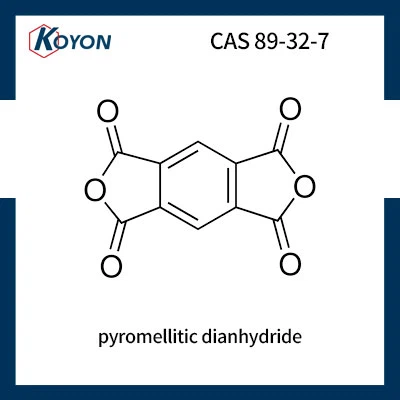
Now, let's compare maleic anhydride with some other similar anhydrides. There's Pyromellitic Dianhydride, which is used in the production of high-performance polymers. It has different properties and flammability characteristics compared to maleic anhydride. Pyromellitic dianhydride is also combustible but has its own set of safety requirements based on its chemical makeup.
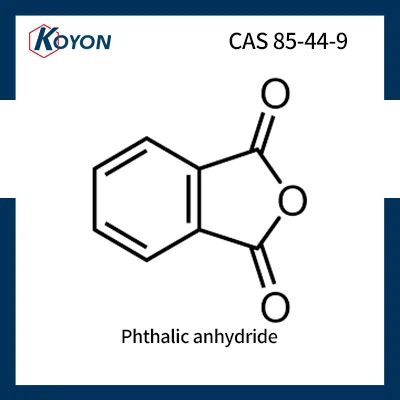
Then there's Phthalic Anhydride. It's another widely used anhydride, mainly in the production of plasticizers. Like maleic anhydride, it's combustible, but again, the conditions for ignition and the hazards associated with its combustion are specific to it.
And Trimellitic Anhydride is used in the manufacture of heat-resistant plastics. It too has its own flammability profile and safety considerations.
As a supplier, I always make sure to provide my customers with all the necessary safety information. I include safety data sheets (SDS) with every shipment of maleic anhydride. These sheets detail the physical and chemical properties, potential hazards, and safety precautions for handling the product.
If you're in an industry that uses maleic anhydride, it's essential to train your employees on how to handle it safely. They should know how to store it properly, what to do in case of a spill or fire, and how to use personal protective equipment (PPE) like gloves, goggles, and respirators.
In case of a fire involving maleic anhydride, the appropriate fire extinguishing agents should be used. Dry chemical, carbon dioxide, or foam extinguishers are usually recommended. Water can be used to cool down the burning material and prevent the spread of fire, but it's not a good idea to use a large amount of water directly on the fire as it can cause splashing and spread the burning material.
So, to sum it up, maleic anhydride is combustible, but with proper handling and safety measures, the risk of fire can be minimized. If you're in the market for maleic anhydride, I'm here to help. I've got a reliable supply of high-quality maleic anhydride that meets all the industry standards. Whether you need a small quantity for a research project or a large amount for industrial production, I can cater to your needs.
If you're interested in purchasing maleic anhydride or have any questions about its properties, safety, or applications, don't hesitate to reach out. I'm more than happy to have a chat and discuss how I can assist you in getting the right product for your business. Let's work together to ensure you have a smooth and safe experience with maleic anhydride.
References:
- "Handbook of Chemical Hazards"
- "Safety Guidelines for Anhydride Handling"