

Propylene glycol, a versatile organic compound, is widely used in various industries, including food, pharmaceuticals, cosmetics, and chemical manufacturing. As a supplier of propylene glycol, one question that frequently arises from our customers is whether propylene glycol reacts with metals. In this blog post, we will delve into this topic, exploring the chemical properties of propylene glycol, its interactions with different metals, and the implications for its storage and use.

Chemical Properties of Propylene Glycol
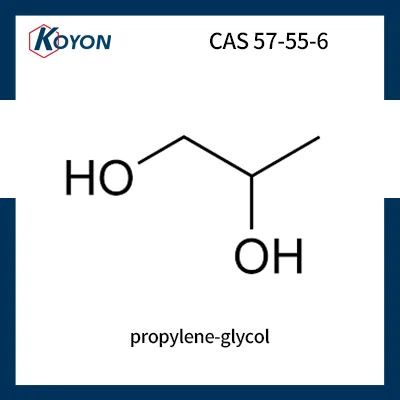
Propylene glycol, also known as 1,2 - propanediol, has the chemical formula C₃H₈O₂. It is a colorless, odorless, viscous liquid with a sweet taste. This compound is miscible with water, ethanol, and many other organic solvents. Propylene glycol is a stable compound under normal conditions, with a relatively low reactivity compared to some other organic chemicals.
The molecule of propylene glycol contains two hydroxyl (-OH) groups, which are the main functional groups responsible for its chemical behavior. These hydroxyl groups can participate in various chemical reactions, such as esterification, oxidation, and hydrogen bonding. However, the reactivity of these hydroxyl groups is influenced by the surrounding chemical environment and the nature of the reactants.
Interaction with Metals
The reaction between propylene glycol and metals depends on several factors, including the type of metal, the purity of the propylene glycol, the presence of other substances, and the environmental conditions such as temperature and humidity.
Stainless Steel
Stainless steel is one of the most commonly used materials for storing and transporting propylene glycol. In general, propylene glycol has good compatibility with stainless steel. Stainless steel contains chromium, which forms a passive oxide layer on the surface of the metal. This oxide layer acts as a barrier, preventing the propylene glycol from directly reacting with the underlying metal.
Under normal conditions, propylene glycol stored in stainless - steel containers will not cause significant corrosion. However, if the stainless steel is of poor quality or if there are impurities in the propylene glycol that can break down the passive oxide layer, some degree of corrosion may occur over time. For example, the presence of chloride ions can accelerate the corrosion of stainless steel in the presence of propylene glycol.
Aluminum
Aluminum is another metal that is sometimes used in contact with propylene glycol. Aluminum has a high affinity for oxygen, and it forms a thin oxide layer on its surface when exposed to air. This oxide layer provides some protection against corrosion.
In pure propylene glycol, aluminum is relatively stable. However, if the propylene glycol contains water or other contaminants, a reaction may occur. Water can react with the aluminum oxide layer, causing it to dissolve and expose the underlying aluminum to further corrosion. Additionally, the presence of acids or alkalis in the propylene glycol can also increase the likelihood of corrosion.
Copper
Copper is a metal with relatively high conductivity and is used in some industrial applications. Propylene glycol can react with copper under certain conditions. In the presence of oxygen and water, copper can undergo oxidation in propylene glycol. The hydroxyl groups in propylene glycol can act as weak nucleophiles, attacking the copper surface and promoting the formation of copper oxides.
The reaction rate between propylene glycol and copper is also affected by temperature. Higher temperatures can increase the kinetic energy of the molecules, accelerating the reaction. Therefore, when propylene glycol is in contact with copper at elevated temperatures, more significant corrosion may occur.
Iron
Iron is a common metal, and its interaction with propylene glycol is more complex. In pure propylene glycol, iron is relatively stable. However, in the presence of water and oxygen, iron can rust. Propylene glycol can absorb water from the atmosphere, and if the water content in the propylene glycol - iron system is high enough, the iron will react with oxygen in the water to form iron oxides (rust).
Implications for Storage and Use
Based on the above analysis, proper storage and handling of propylene glycol are crucial to prevent reactions with metals. When storing propylene glycol, it is recommended to use high - quality stainless - steel containers. These containers should be clean and free from contaminants, especially chloride ions.
If aluminum or copper containers are used, additional precautions should be taken. For example, the propylene glycol should be as pure as possible, and the storage environment should be kept dry to minimize the risk of corrosion. In cases where propylene glycol is used in systems that contain iron components, steps should be taken to control the water content and oxygen level to prevent rusting.
It is also important to note that the purity of propylene glycol can affect its reactivity with metals. High - purity propylene glycol is less likely to cause corrosion compared to propylene glycol with impurities. As a [Supplier Identity], we ensure that our Propylene Glycol products meet strict quality standards to minimize the risk of reactions with metals.
Other Related Diols
In addition to propylene glycol, other diols such as 1,2 - Pentanediol and Dipropylene Glycol also have their own reactivity characteristics with metals. These diols have similar chemical structures to propylene glycol, with two hydroxyl groups in their molecules.
1,2 - Pentanediol is a colorless, clear liquid with a low odor. It is often used in cosmetics and personal care products. Similar to propylene glycol, its reactivity with metals depends on factors such as the type of metal and environmental conditions. In general, it has good compatibility with stainless steel and can be stored in stainless - steel containers without significant corrosion.
Dipropylene glycol is a by - product of the production of propylene glycol. It is also a stable compound under normal conditions. It has a relatively low reactivity with metals, but like propylene glycol, its reactivity can be affected by the presence of impurities and environmental factors.
Conclusion
In conclusion, the reaction between propylene glycol and metals is a complex process that is influenced by multiple factors. While propylene glycol is generally stable and has good compatibility with many metals under normal conditions, proper storage and handling are essential to prevent corrosion.
As a reliable supplier of propylene glycol, we are committed to providing high - quality products and technical support to our customers. If you have any questions about the compatibility of propylene glycol with metals or need advice on storage and use, please feel free to contact us for further discussion. We look forward to establishing long - term partnerships with you and meeting your propylene glycol procurement needs.
References
- "Handbook of Chemical Properties" - A comprehensive reference book on the chemical properties of various substances, including organics and metals.
- "Corrosion Science" - Journals and research papers in the field of corrosion science that provide in - depth knowledge on the reaction between organic compounds and metals.
- Manufacturer's technical data sheets for propylene glycol, 1,2 - pentanediol, and dipropylene glycol, which contain information on their compatibility with different materials.