

Hey there! As a pentaerythritol supplier, I'm super excited to chat with you about how this amazing compound is used in the food packaging industry. Pentaerythritol might not be a household name, but it plays a crucial role in keeping our food fresh and safe.
What is Pentaerythritol?
First off, let's quickly go over what pentaerythritol is. It's a white, crystalline powder that's odorless and has a slightly sweet taste. Chemically speaking, it's a polyol, which means it has multiple hydroxyl (-OH) groups. This structure gives it some really useful properties that make it ideal for a variety of applications, including food packaging.
Why Pentaerythritol in Food Packaging?
1. Moisture Control
One of the key challenges in food packaging is controlling moisture. Too much moisture can lead to mold growth, spoilage, and a shorter shelf life for food products. Pentaerythritol is a great humectant, which means it can absorb and hold onto moisture. When it's incorporated into food packaging materials, it helps to keep the right level of moisture inside the package. This is especially important for products like baked goods, which can dry out quickly if not properly protected.
2. Chemical Resistance
Food packaging needs to be resistant to various chemicals, including oils, fats, and acids. Pentaerythritol has excellent chemical resistance, which means it can protect the food from coming into contact with harmful substances. For example, in the packaging of oily snacks like potato chips, pentaerythritol - based materials can prevent the oil from seeping out and affecting the integrity of the package.
3. Thermal Stability
Many food packaging processes involve heat, such as sealing and sterilization. Pentaerythritol has good thermal stability, which means it can withstand high temperatures without breaking down or releasing harmful substances. This makes it suitable for use in packaging materials that need to go through heat - based processes.
Applications in Food Packaging
1. Coatings
Pentaerythritol is often used in the production of coatings for food packaging. These coatings can be applied to paper, cardboard, or plastic to improve their barrier properties. For example, a pentaerythritol - based coating on a paperboard box can make it more resistant to moisture and grease. This is particularly useful for fast - food packaging, where the box needs to hold hot, greasy food without leaking or getting soggy.
2. Adhesives
In food packaging, adhesives are used to seal packages and hold different components together. Pentaerythritol can be used as a raw material in the production of adhesives. Adhesives made with pentaerythritol are strong, durable, and have good bonding properties. They can withstand the rigors of handling and transportation, ensuring that the food package remains intact until it reaches the consumer.
3. Plasticizers
Plasticizers are substances added to plastics to make them more flexible and easier to process. Pentaerythritol can be used as a plasticizer in food - grade plastics. When added to plastics like polyethylene or polypropylene, it improves their flexibility and reduces their brittleness. This is important for food packaging applications where the plastic needs to be molded into different shapes, such as bottles or containers.
Comparing with Other Polyols
There are other polyols out there, like Propylene Glycol, Neopentyl Glycol, and 1,2 - Pentanediol. While they all have their own unique properties, pentaerythritol has some advantages in the food packaging industry.
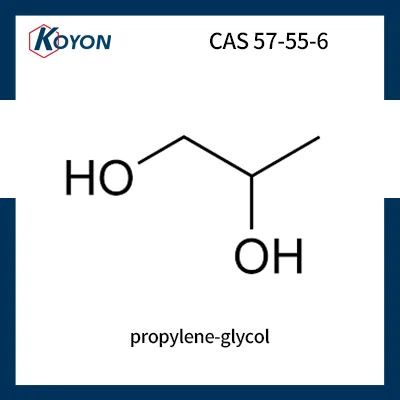

Propylene glycol is commonly used as a solvent and humectant, but it has a lower molecular weight compared to pentaerythritol. This means that it may have a higher volatility, which could potentially lead to it evaporating over time. Pentaerythritol, on the other hand, is more stable and less likely to evaporate, making it a better choice for long - term food packaging applications.
Neopentyl glycol is often used in the production of polyester resins. However, pentaerythritol can be used to produce a wider range of polymers and resins, which gives it more versatility in food packaging applications.
1,2 - Pentanediol is known for its antibacterial properties. While this is an advantage in some food - related applications, pentaerythritol offers a more well - rounded set of properties, including moisture control, chemical resistance, and thermal stability, which are essential for food packaging.
Regulatory Considerations
When it comes to using pentaerythritol in the food packaging industry, it's important to comply with all relevant regulations. In most countries, pentaerythritol is considered safe for use in food packaging when used within specified limits. Regulatory bodies, such as the Food and Drug Administration (FDA) in the United States, have set guidelines for the use of pentaerythritol in contact with food. As a supplier, we make sure that our pentaerythritol products meet all these regulatory requirements, so you can use them with confidence in your food packaging applications.
Sustainability
In today's world, sustainability is a big concern. Pentaerythritol can contribute to more sustainable food packaging solutions. For example, some pentaerythritol - based materials are biodegradable, which means they can break down naturally over time, reducing the environmental impact of food packaging waste. Additionally, because pentaerythritol can improve the performance of packaging materials, it can potentially reduce the amount of material needed for packaging, leading to less waste overall.
Wrapping Up
So, as you can see, pentaerythritol is a really versatile and valuable compound in the food packaging industry. It offers a range of benefits, from moisture control to chemical resistance, and it can be used in various applications like coatings, adhesives, and plasticizers. If you're in the food packaging business and are looking for a reliable pentaerythritol supplier, I'd love to have a chat with you. Whether you have questions about our products, need samples, or want to discuss your specific packaging needs, don't hesitate to reach out. Let's work together to create better, safer, and more sustainable food packaging solutions.
References
- “Food Packaging Technology: Principles and Practice” by Han, J. H.
- Journal articles on polyols in food packaging from scientific databases like ScienceDirect.