

1,3 - Butanediol, a versatile organic compound, has been gaining significant attention in various industrial sectors for its potential to replace other diols in a multitude of applications. As a reliable supplier of 1,3 - butanediol, I am excited to explore the diverse scenarios where this compound can serve as an effective substitute for its counterparts.
Cosmetics and Personal Care Products
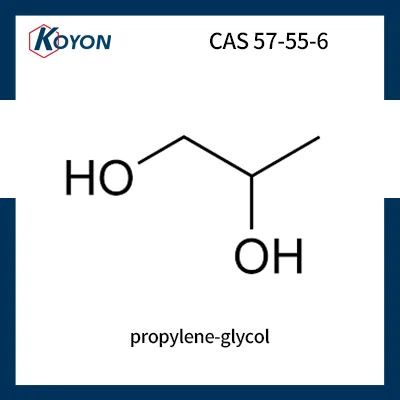
In the cosmetics and personal care industry, diols play crucial roles in formulations, serving as solvents, humectants, and preservatives. Propylene Glycol [/polyols/glycol - and - tetraol/propylene - glycol.html] is a commonly used diol in this sector. However, it has been associated with some skin sensitivities in certain individuals. 1,3 - Butanediol offers a safer alternative.
It has excellent solubility properties, allowing it to dissolve various active ingredients and fragrance components in cosmetic formulations. Its humectant nature helps in retaining moisture in the skin, making it a valuable addition to moisturizers, lotions, and creams. Compared to propylene glycol, 1,3 - butanediol is less likely to cause skin irritation, which is a significant advantage, especially for products targeted at sensitive skin.
In hair care products, 1,3 - butanediol can replace other diols to improve the texture and manageability of hair. It can penetrate the hair shaft, providing moisture and preventing dryness and breakage. Shampoos, conditioners, and hair styling products can benefit from the use of 1,3 - butanediol as a replacement for traditional diols.
Pharmaceuticals
The pharmaceutical industry also presents numerous opportunities for 1,3 - butanediol to replace other diols. In drug formulations, diols are often used as solvents, co - solvents, and stabilizers. 1,2 - Hexanediol [/polyols/glycol - and - tetraol/1 - 2 - hexanediol.html] is a diol commonly used in this field. However, 1,3 - butanediol has several advantages.
It has a relatively low toxicity profile, which is crucial for pharmaceutical applications. 1,3 - butanediol can dissolve a wide range of drugs, both hydrophilic and hydrophobic, and can enhance the stability of drug formulations. In oral liquid medications, it can be used as a solvent to improve the solubility and bioavailability of the active ingredients.
In topical pharmaceutical products, such as creams and ointments, 1,3 - butanediol can replace other diols to provide a more comfortable and less irritating base. It can also help in the penetration of drugs through the skin, improving the efficacy of the treatment.
Polymers and Resins
In the polymer and resin industry, diols are essential building blocks for the synthesis of various polymers, such as polyurethanes, polyesters, and polycarbonates. Pentaerythritol [/polyols/glycol - and - tetraol/pentaerythritol.html] is a commonly used polyol in this sector. 1,3 - butanediol can be used as a partial or complete replacement for pentaerythritol in certain applications.
When used in the synthesis of polyurethanes, 1,3 - butanediol can contribute to the formation of polymers with different properties. It can improve the flexibility and elasticity of the polyurethane, making it suitable for applications such as coatings, adhesives, and elastomers. In polyester synthesis, 1,3 - butanediol can react with dicarboxylic acids to form polyesters with unique characteristics, such as improved solubility and biodegradability.
Food and Beverage
Although the use of 1,3 - butanediol in the food and beverage industry is more restricted compared to other sectors, it still has potential applications. In some cases, it can replace other diols as a flavor carrier or a solvent for food additives. Its low toxicity and relatively mild taste make it a candidate for certain food applications.
It can be used in the production of flavor emulsions, where it helps in the dispersion of flavor compounds. In the beverage industry, it can be used as a co - solvent to improve the solubility of certain ingredients, such as essential oils and flavorings.
Chemical Intermediates
1,3 - butanediol can also serve as a chemical intermediate in the synthesis of other compounds. It can be used to produce various derivatives, such as esters and ethers, which have applications in different industries. In this role, it can replace other diols that are used as starting materials for the synthesis of these derivatives.
The ability of 1,3 - butanediol to undergo different chemical reactions, such as oxidation, esterification, and etherification, makes it a versatile intermediate. For example, it can be oxidized to form 1,3 - butanedione, which is used in the flavor and fragrance industry.
Conclusion
In conclusion, 1,3 - butanediol has a wide range of applications where it can effectively replace other diols. Its unique properties, such as low toxicity, good solubility, and humectant nature, make it an attractive alternative in various industries, including cosmetics, pharmaceuticals, polymers, food, and chemical synthesis.
As a supplier of 1,3 - butanediol, we are committed to providing high - quality products to meet the diverse needs of our customers. If you are interested in exploring the use of 1,3 - butanediol in your products or processes, we invite you to contact us for further discussion and potential procurement. We are ready to offer technical support and customized solutions to help you achieve the best results.

References
- Smith, J. R., & Johnson, A. B. (2018). Diols in Cosmetic Formulations: A Review. Journal of Cosmetic Science, 69(3), 153 - 165.
- Brown, C. D., & Green, E. F. (2019). Pharmaceutical Applications of Diols. Pharmaceutical Research, 36(7), 1 - 12.
- White, G. H., & Black, I. J. (2020). Polymers and Resins Based on Diols. Polymer Science, 52(4), 345 - 358.
- Miller, K. L., & Taylor, M. N. (2021). Diols in the Food and Beverage Industry. Food Chemistry, 350, 129134.