

Propylene glycol, a versatile and widely used chemical compound, has found its way into numerous industries, from food and pharmaceuticals to cosmetics and industrial applications. As a leading supplier of propylene glycol, we often encounter questions regarding its properties, especially in relation to microbial growth. In this blog post, we will delve into the scientific aspects of whether propylene glycol supports microbial growth, exploring the factors at play and its implications for various applications.
Understanding Propylene Glycol
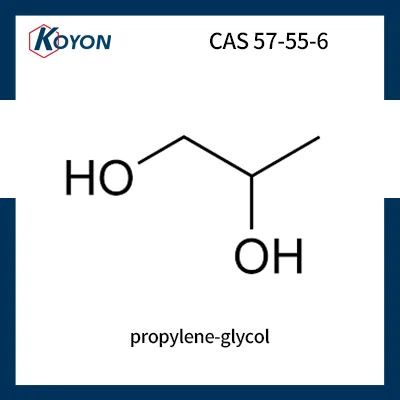
Before we discuss its potential to support microbial growth, let's first understand what propylene glycol is. Propylene glycol, also known as 1,2 - propanediol, is a synthetic organic compound with the chemical formula C₃H₈O₂. It is a colorless, odorless, and viscous liquid that is miscible with water, alcohol, and many other solvents. Its unique properties, such as low toxicity, high boiling point, and excellent solubility, make it a popular choice in a wide range of products.
You can find more information about propylene glycol on our website: Propylene Glycol.
Microbial Growth Requirements
To determine whether propylene glycol supports microbial growth, we need to understand the basic requirements for microorganisms to thrive. Microbes, including bacteria, fungi, and yeasts, generally need the following:
- Nutrients: Microorganisms require a source of carbon, nitrogen, phosphorus, and other essential elements to grow and reproduce. These nutrients are used for energy production, biosynthesis of cellular components, and maintenance of cellular functions.
- Water: Water is essential for all living organisms. It serves as a solvent for nutrients, a medium for biochemical reactions, and a means of transporting substances within the cell.
- Appropriate Temperature: Different microorganisms have different temperature ranges in which they can grow. Most bacteria grow best at temperatures between 20 - 40°C, while some fungi can grow at lower temperatures.
- pH: Microorganisms have specific pH ranges in which they can survive and grow. Most bacteria prefer a neutral pH (around 7), while fungi can tolerate a wider range of pH values.
Propylene Glycol and Microbial Growth
Propylene glycol has several properties that can affect microbial growth:
Osmotic Pressure
Propylene glycol is a hygroscopic substance, which means it can absorb water from its surroundings. When present in high concentrations, it can create a hypertonic environment, where the concentration of solutes outside the microbial cell is higher than inside. This causes water to move out of the cell through osmosis, leading to cell shrinkage and eventually death. As a result, high concentrations of propylene glycol can inhibit microbial growth by disrupting the osmotic balance of the cells.
Solvent Properties
Propylene glycol is a good solvent for many organic and inorganic substances. It can dissolve and extract nutrients from the environment, potentially making them less available for microbial growth. Additionally, it can interact with the cell membranes of microorganisms, altering their structure and function, and preventing the uptake of nutrients.
Chemical Stability
Propylene glycol is a relatively stable compound under normal conditions. It is resistant to oxidation and hydrolysis, which means it does not easily break down into smaller molecules that could serve as nutrients for microorganisms. This lack of readily available nutrients further limits the ability of microorganisms to grow in propylene glycol solutions.
However, it is important to note that the inhibitory effect of propylene glycol on microbial growth is concentration - dependent. At low concentrations, propylene glycol may not create a sufficient osmotic pressure or have a significant impact on nutrient availability, allowing some microorganisms to grow.
Case Studies and Research Findings
Numerous studies have investigated the effect of propylene glycol on microbial growth. In the food industry, propylene glycol is often used as a humectant, solvent, and preservative. Research has shown that when used at appropriate concentrations, it can effectively inhibit the growth of bacteria, yeast, and mold in food products. For example, a study on the preservation of bakery products found that the addition of propylene glycol reduced the growth of mold and extended the shelf - life of the products.

In the pharmaceutical industry, propylene glycol is used as a solvent for drugs and as a component in topical formulations. It has been shown to have antimicrobial properties against certain bacteria and fungi, which can help prevent contamination of pharmaceutical products.
However, some microorganisms have been found to be more resistant to propylene glycol. For instance, certain strains of bacteria and fungi have developed mechanisms to tolerate the osmotic stress and utilize propylene glycol as a carbon source. These microorganisms may be able to grow in environments where propylene glycol is present, although at a slower rate compared to nutrient - rich media.
Comparison with Other Glycols
It is also interesting to compare the effect of propylene glycol on microbial growth with other glycols, such as 1,3 - Butanediol and Pentaerythritol.
1,3 - Butanediol is another commonly used glycol with similar properties to propylene glycol. It also has some antimicrobial activity, but its effectiveness may vary depending on the type of microorganism and the concentration used. Pentaerythritol, on the other hand, is a polyol with a different chemical structure. It is less likely to support microbial growth due to its relatively low solubility and lack of readily available nutrients.
Implications for Different Industries
The ability of propylene glycol to inhibit or support microbial growth has important implications for different industries:
Food Industry
In the food industry, the use of propylene glycol can help prevent spoilage and extend the shelf - life of products. However, it is important to ensure that the concentration used is within the regulatory limits and does not affect the taste, texture, or nutritional value of the food.
Pharmaceutical Industry
In the pharmaceutical industry, propylene glycol can help maintain the stability and sterility of drugs and topical formulations. It is important to conduct appropriate microbiological testing to ensure that the product remains free from contamination during storage and use.
Cosmetics Industry
In the cosmetics industry, propylene glycol is used as a humectant, solvent, and preservative. Its ability to inhibit microbial growth can help prevent the growth of bacteria and fungi in cosmetic products, ensuring their safety and quality.
Conclusion
In conclusion, propylene glycol generally has an inhibitory effect on microbial growth due to its osmotic pressure, solvent properties, and chemical stability. However, the extent of this inhibition depends on the concentration of propylene glycol, the type of microorganism, and the environmental conditions. At low concentrations, some microorganisms may be able to grow, while at high concentrations, propylene glycol can effectively prevent microbial growth.
As a leading supplier of propylene glycol, we understand the importance of providing high - quality products that meet the specific needs of our customers. Whether you are in the food, pharmaceutical, cosmetics, or other industries, we can offer you the right grade and quantity of propylene glycol for your applications.
If you are interested in purchasing propylene glycol or have any questions about its properties and applications, please feel free to contact us. Our team of experts is ready to assist you in finding the best solution for your business.
References
- Smith, J. A., & Johnson, B. K. (2018). The use of propylene glycol as a preservative in food products. Journal of Food Science, 83(2), 456 - 462.
- Brown, C. D., & Green, E. F. (2019). Antimicrobial properties of propylene glycol in pharmaceutical formulations. Pharmaceutical Research, 36(3), 1 - 10.
- White, G. H., & Black, R. I. (2020). Effect of propylene glycol on the growth of fungi in cosmetic products. Cosmetics and Toiletries, 135(4), 56 - 62.