

Hey there! As a supplier of acids and diamine, I've been in the thick of the industrial game for quite some time. One question that keeps popping up from our clients is about the cost - effectiveness of using acids and diamine in industrial production. So, let's dive right in and break it down.
First off, what are acids and diamine anyway? Acids are substances that can donate protons or accept electron pairs, while diamines are organic compounds with two amino groups. They're used in a wide range of industries, from plastics and polymers to pharmaceuticals and agrochemicals. And the reason they're so popular? Well, it all boils down to cost - effectiveness.
Let's start with acids. There are tons of different types of acids out there, but a few of the ones we supply are Pyromellitic Acid, Cyanuric Acid, and Fumaric Acid.
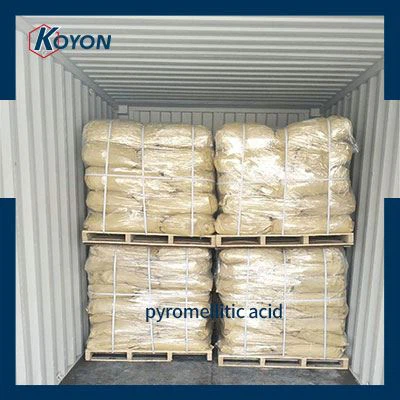
Pyromellitic acid is a key ingredient in the production of polyimide resins. These resins are super strong, heat - resistant, and have excellent electrical properties. In the electronics industry, for example, polyimide films made from pyromellitic acid are used in flexible printed circuits. The initial cost of pyromellitic acid might seem a bit high, but when you consider the long - term benefits, it's a no - brainer. These polyimide products have a long lifespan, which means less frequent replacement. Also, their high performance reduces the risk of equipment failure, saving companies a ton of money on repairs and downtime.
Cyanuric acid is widely used in the pool and spa industry as a stabilizer for chlorine. Chlorine in pools can be quickly degraded by sunlight, but cyanuric acid helps to protect it. This means that pool owners don't have to add as much chlorine as often, which cuts down on the overall cost of maintaining the pool. In an industrial setting, large - scale pool and spa facilities can save a significant amount of money over time by using cyanuric acid. And let's not forget about its use in the production of some flame - retardant materials. By enhancing the fire - resistant properties of these materials, it can prevent costly damage from fires.
Fumaric acid is another great example. It's used in the food and beverage industry as an acidulant. It's a cheaper alternative to some other acids like citric acid in many applications. In the production of fruit juices and soft drinks, fumaric acid can adjust the pH level, improve flavor, and extend shelf life. Since it's less expensive to produce and purchase, it helps food and beverage manufacturers keep their production costs down without sacrificing quality.
Now, let's talk about diamines. Diamines play a crucial role in the synthesis of polyurethanes, which are used in everything from foam insulation to automotive parts. One of the main cost - effective aspects of using diamines in polyurethane production is their ability to react with isocyanates to form strong cross - linked structures. This results in high - quality polyurethane products that are durable and long - lasting. For example, in the construction industry, polyurethane foam insulation made with diamines can significantly reduce energy consumption in buildings. The upfront cost of using diamines in the production of this insulation is offset by the long - term savings on heating and cooling bills.

Another advantage of using acids and diamine in industrial production is their versatility. A single type of acid or diamine can often be used in multiple applications. This means that companies don't have to invest in a whole bunch of different chemicals for different processes. They can streamline their inventory, reduce storage costs, and simplify their supply chain. For instance, some diamines can be used in both the production of adhesives and coatings. This dual - use capability makes them a cost - effective choice for manufacturers.
However, it's not all sunshine and rainbows. There are some challenges when it comes to using acids and diamine. For one thing, proper handling and storage are crucial. Acids can be corrosive, and diamines can be toxic if not handled correctly. This means that companies need to invest in proper safety equipment and training for their employees. But when you think about it, the cost of preventing accidents and ensuring the well - being of workers is a small price to pay compared to the potential losses from workplace incidents.
Also, the market prices of acids and diamine can be volatile. Fluctuations in raw material costs, supply and demand, and global economic conditions can all affect the price. But as a supplier, we work hard to keep our clients informed about these price changes and help them plan their purchases accordingly. We also offer long - term contracts in some cases, which can provide price stability for our clients.
In addition to the direct cost savings in production, using acids and diamine can also have a positive impact on a company's environmental footprint. Many of the products made with these chemicals are more energy - efficient or have a longer lifespan, which reduces waste. For example, the polyurethane foam insulation mentioned earlier helps to conserve energy, and the longer - lasting polyimide products reduce the amount of electronic waste. This can lead to potential savings in waste management costs and also help companies meet environmental regulations, which can avoid costly fines.
So, to sum it all up, the cost - effectiveness of using acids and diamine in industrial production is pretty clear. They offer long - term savings through high - performance products, reduced energy consumption, and lower production costs. Their versatility also helps companies simplify their operations and cut down on inventory costs.
If you're in an industry that could benefit from using acids and diamine, I'd love to talk to you. Whether you're looking for more information about our products, want to discuss pricing, or need help with a specific application, don't hesitate to reach out. We're here to help you make the most cost - effective choices for your business.
References
- "Industrial Chemistry Handbook"
- "Polymer Science and Technology"
- "Food Additives: Properties and Applications"