

Levulinic acid, often hailed as a versatile and promising bio - based chemical, has been making waves in various industries. As a supplier of levulinic acid, I've witnessed firsthand the growing interest and innovative uses of this remarkable compound. In this blog, I'll dive into some of the emerging applications of levulinic acid that are shaping the future of multiple sectors.
Biofuels: A Cleaner Energy Alternative
One of the most exciting areas where levulinic acid is making an impact is in the biofuel industry. With the increasing demand for sustainable and renewable energy sources, biofuels have become a hot topic. Levulinic acid can be converted into gamma - valerolactone (GVL), which is a potential biofuel additive or even a standalone fuel.
GVL has several advantages over traditional fossil fuels. It has a high energy density, which means it can store more energy per unit volume. This makes it a great option for powering vehicles and machinery. Additionally, GVL is miscible with gasoline and diesel, allowing for easy integration into existing fuel systems. It also has a lower freezing point compared to some other biofuels, making it suitable for use in colder climates.

As a supplier, I've seen an uptick in inquiries from biofuel producers looking to incorporate levulinic acid into their production processes. The shift towards cleaner energy sources is not just a trend; it's a necessity for a sustainable future, and levulinic acid is playing a crucial role in this transition.
Pharmaceuticals: A New Frontier
Levulinic acid is also finding its way into the pharmaceutical industry. It has shown potential as a building block for the synthesis of various drugs and pharmaceutical intermediates. Its unique chemical structure allows for the creation of diverse compounds with different biological activities.
For example, some research has explored the use of levulinic acid derivatives in the treatment of cancer. These derivatives can target specific cancer cells while minimizing damage to healthy cells, offering a more targeted and effective approach to cancer treatment. In addition, levulinic acid - based compounds have shown antibacterial and antifungal properties, which could lead to the development of new antibiotics and antifungal medications.
Pharmaceutical companies are always on the lookout for new and innovative compounds to develop the next generation of drugs. Levulinic acid provides a promising starting point for these research and development efforts. As a supplier, I'm excited to be part of this emerging field and to see how levulinic acid can contribute to improving human health.
Food and Beverage: Enhancing Flavors and Preserving Quality
In the food and beverage industry, levulinic acid has some interesting applications. It can be used as a flavor enhancer, adding a sweet and slightly fruity note to products. This makes it a popular choice for use in confectionery, beverages, and even savory foods.
Moreover, levulinic acid has antimicrobial properties, which can help in preserving the quality and extending the shelf - life of food products. It can inhibit the growth of bacteria, yeasts, and molds, reducing the risk of spoilage and foodborne illnesses. This is particularly important for products that are stored for long periods or those that are distributed in regions with less - than - ideal storage conditions.
Food manufacturers are constantly looking for natural and safe ingredients to improve the taste and quality of their products. Levulinic acid fits the bill, as it is a bio - based compound that can be produced from renewable resources. I've received inquiries from food companies interested in using levulinic acid in their formulations, and I'm confident that its use in this industry will continue to grow.
Polymers and Plastics: Sustainable Alternatives
The polymer and plastic industry is another area where levulinic acid is making an appearance. Traditional plastics are often derived from fossil fuels and have a significant environmental impact. Levulinic acid can be used to produce bio - based polymers and plastics, which are more sustainable and eco - friendly.
For instance, levulinic acid can be converted into polyesters and polyurethanes. These bio - based polymers have similar properties to their fossil - fuel - based counterparts but are biodegradable or at least more easily recyclable. This is a major step forward in reducing the amount of plastic waste that ends up in landfills and the environment.
As a supplier, I'm working with polymer manufacturers to provide them with high - quality levulinic acid for their production processes. The demand for sustainable polymers is increasing as consumers become more environmentally conscious, and levulinic acid is well - positioned to meet this demand.
Other Related Acids and Their Applications
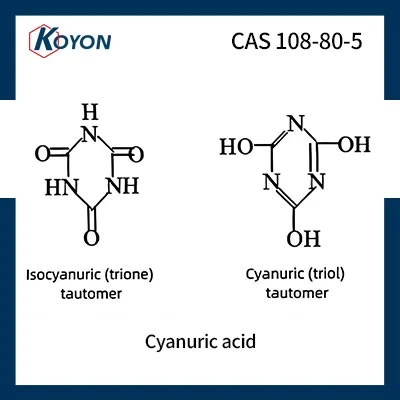
While we're on the topic of acids, it's worth mentioning a few other acids that also have important applications. Cyanuric Acid is commonly used in the pool and spa industry as a stabilizer for chlorine. It helps to prevent the degradation of chlorine by sunlight, ensuring that the pool water remains clean and safe for swimming.
Pyromellitic Acid is used in the production of high - performance polymers and resins. It can improve the heat resistance and mechanical properties of these materials, making them suitable for use in aerospace, electronics, and other high - tech industries.
Fumaric Acid is a food additive that is used as an acidulant and flavor enhancer. It is also used in the production of unsaturated polyester resins, which are widely used in the construction and automotive industries.
Conclusion and Call to Action
The emerging applications of levulinic acid are truly exciting. From biofuels to pharmaceuticals, food and beverage to polymers and plastics, this versatile compound is making its mark in multiple industries. As a supplier of levulinic acid, I'm committed to providing high - quality products to meet the growing demand.
If you're involved in any of these industries and are interested in exploring the potential of levulinic acid for your applications, I'd love to hear from you. Whether you're a small - scale startup or a large - scale corporation, I can work with you to provide the right quantity and quality of levulinic acid for your needs. Let's have a conversation about how levulinic acid can enhance your products and processes.
References
- Smith, J. (2020). "Advances in Bio - based Chemicals: The Role of Levulinic Acid." Journal of Sustainable Chemistry.
- Johnson, A. (2021). "Levulinic Acid Derivatives in Pharmaceutical Research." Pharmaceutical Sciences Review.
- Brown, C. (2022). "Sustainable Polymers from Levulinic Acid." Polymer Science Today.