

Hey there! As a neopentyl glycol supplier, I've spent a good amount of time dealing with all sorts of questions related to this chemical. One of the most common ones is about the impurities in neopentyl glycol and how to get rid of them. So, let's dive right in!
What are the impurities in neopentyl glycol?
Neopentyl glycol, or NPG for short, is a widely used chemical in the production of coatings, plastics, and lubricants. But like any chemical, it's not always 100% pure. There are a few common impurities that can find their way into NPG during the manufacturing process.
One of the most prevalent impurities is water. During the synthesis of neopentyl glycol, water can be produced as a by - product or can be absorbed from the environment. Even a small amount of water can affect the quality of NPG, especially in applications where moisture can cause issues, like in some high - performance coatings.
Another impurity is propionaldehyde. In the production of NPG, propionaldehyde is often used as a raw material. If the reaction doesn't go to completion, some unreacted propionaldehyde can remain in the final product. Propionaldehyde has a strong odor and can be a safety hazard, so its presence in NPG is definitely something that needs to be addressed.
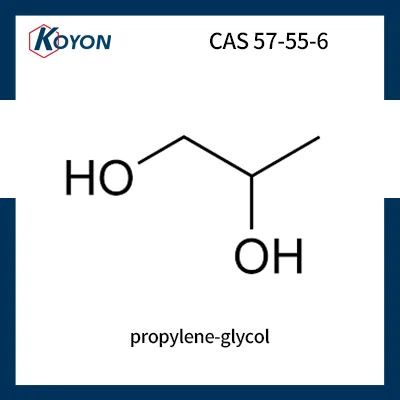
There can also be traces of other glycols, such as Propylene Glycol and 1,2 - Hexanediol. These glycols can be formed as side - products during the synthesis of NPG. Their presence can alter the physical and chemical properties of NPG, which might not be suitable for certain applications.
Why do impurities matter?
You might be wondering, "Why does it matter if there are a few impurities in neopentyl glycol?" Well, it can have a significant impact on the performance of the end - products.
In the coating industry, for example, impurities can affect the drying time, hardness, and gloss of the coating. Water can cause blistering or poor adhesion, while propionaldehyde can lead to a bad smell in the finished product. In the plastics industry, impurities can weaken the mechanical properties of the plastic, making it less durable.
From a safety perspective, some impurities can be harmful. Propionaldehyde, as I mentioned earlier, is a volatile organic compound (VOC) that can cause irritation to the eyes, nose, and throat. So, removing these impurities is not just about improving the quality of the product; it's also about ensuring the safety of the end - users.
How to remove impurities from neopentyl glycol?
Now, let's talk about the methods to remove these impurities. There are several techniques that can be used, depending on the type of impurity and the level of purity required.
Distillation
Distillation is one of the most common methods for purifying neopentyl glycol. It works based on the difference in boiling points between NPG and its impurities. Water has a lower boiling point than NPG, so it can be easily removed by heating the mixture and collecting the vapor. Propionaldehyde also has a relatively low boiling point compared to NPG, so it can be separated through distillation as well.
There are different types of distillation, such as simple distillation and fractional distillation. Simple distillation is suitable for separating substances with a large difference in boiling points. Fractional distillation, on the other hand, is more effective when the boiling points of the components are closer together. It uses a fractionating column to achieve a more precise separation.
Adsorption
Adsorption is another method that can be used to remove impurities from NPG. Adsorbents, such as activated carbon or molecular sieves, are used to attract and hold the impurities on their surface. Activated carbon is particularly effective in removing organic impurities, like propionaldehyde, due to its large surface area and high porosity.

Molecular sieves are synthetic zeolites that have a uniform pore size. They can selectively adsorb molecules based on their size and shape. For example, they can be used to remove water from NPG because water molecules are small enough to enter the pores of the molecular sieve, while NPG molecules are too large.
Chemical treatment
In some cases, chemical treatment can be used to remove impurities. For example, if there are acidic or basic impurities in NPG, they can be neutralized by adding an appropriate acid or base. This can help to improve the pH of the product and remove some of the unwanted substances.
Another chemical treatment method is oxidation. Some impurities can be oxidized to form more easily removable compounds. For example, propionaldehyde can be oxidized to propionic acid, which can then be removed through distillation or other separation methods.
Quality control in our production
As a neopentyl glycol supplier, we take quality control very seriously. We have a strict quality management system in place to ensure that our NPG products meet the highest standards.
Before the product leaves our factory, it undergoes a series of tests. We use advanced analytical techniques, such as gas chromatography (GC) and high - performance liquid chromatography (HPLC), to analyze the composition of the NPG and detect any impurities. We also test the physical properties of the product, such as melting point, boiling point, and density, to ensure its quality.
We continuously invest in research and development to improve our production processes and purification methods. Our goal is to provide our customers with the purest and highest - quality Neopentyl Glycol on the market.
Why choose our neopentyl glycol?
There are several reasons why you should choose our neopentyl glycol. Firstly, our products have a high level of purity. Thanks to our advanced purification methods, we can minimize the presence of impurities, ensuring that you get a product that meets your specific requirements.
Secondly, we offer excellent customer service. Our team of experts is always ready to answer your questions and provide technical support. Whether you need advice on the application of NPG or have questions about the purification process, we're here to help.
Finally, we have a reliable supply chain. We understand the importance of timely delivery, especially in industries where production schedules are tight. We work hard to ensure that you get your NPG on time, every time.
If you're interested in purchasing neopentyl glycol or have any questions about our products, don't hesitate to get in touch. We're looking forward to discussing your needs and finding the best solution for you.
References
- "Industrial Chemistry of Neopentyl Glycol" - A comprehensive book on the production and properties of neopentyl glycol.
- Research papers on the purification of glycols published in chemical engineering journals.