

Hey there! I'm a supplier of maleic anhydride, and today I want to chat about the fire - fighting measures for this chemical. Maleic anhydride is a widely used industrial chemical, but it comes with its own set of fire - related risks. So, let's dig into what we need to do to keep things safe.
Understanding Maleic Anhydride
First off, maleic anhydride is a white crystalline solid with a pungent odor. It's used in a bunch of industries, like the production of unsaturated polyester resins, alkyd resins, and as a raw material for many other chemicals. But here's the thing: it's flammable. When it catches fire, it can burn pretty fiercely, and it also releases toxic fumes.
Fire Hazards of Maleic Anhydride
Maleic anhydride can ignite easily under certain conditions. It has a relatively low flash point, which means it can start burning at a relatively low temperature. Once it catches fire, it can spread quickly, especially in a confined space or if there's a lot of it stored together.
The combustion of maleic anhydride produces carbon monoxide, carbon dioxide, and other toxic gases. These fumes can be extremely harmful to people's health, causing respiratory problems, eye irritation, and even more serious long - term effects.
Fire - Fighting Measures
Prevention
The best way to deal with a fire is to prevent it from happening in the first place. As a supplier, I always make sure to follow strict storage guidelines. Maleic anhydride should be stored in a cool, dry, and well - ventilated area. It should be kept away from sources of heat, sparks, and open flames.
We need to have proper grounding and bonding for the storage containers to prevent static electricity from building up, which could potentially cause a fire. Also, it's crucial to label all containers clearly with the correct information about the chemical and its hazards.
Fire - Fighting Agents
When a fire does break out, choosing the right fire - fighting agent is key. For maleic anhydride fires, dry chemical extinguishers are a good option. They work by smothering the fire and interrupting the chemical reaction that keeps it burning.
Carbon dioxide (CO2) extinguishers can also be used. CO2 displaces the oxygen around the fire, effectively suffocating it. However, it's important to note that CO2 extinguishers are best for small fires, as they may not be as effective for larger, more intense blazes.
Foam extinguishers can be used as well. Foam creates a barrier between the fuel (maleic anhydride) and the oxygen in the air, preventing the fire from spreading. But make sure to use a foam that's compatible with maleic anhydride.
Safety Precautions for Fire - Fighters
Fire - fighters dealing with maleic anhydride fires need to take extra precautions. They should wear full - protective gear, including self - contained breathing apparatus (SCBA). This is because of the toxic fumes that are released during the combustion of maleic anhydride.
It's also important to approach the fire from an upwind direction to avoid breathing in the fumes. Fire - fighters should be trained in handling chemical fires and know how to use the appropriate fire - fighting equipment.
Comparison with Other Anhydrides
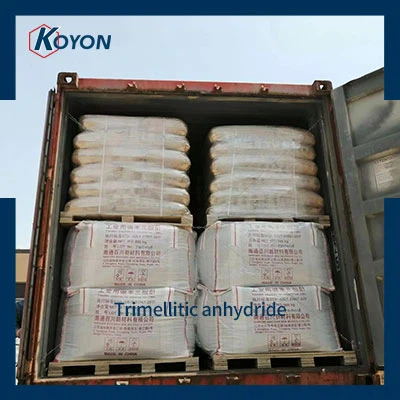
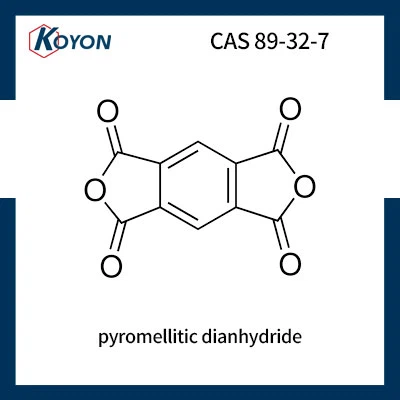
Maleic anhydride is not the only anhydride out there. There are other types like Pyromellitic Dianhydride, Phthalic Anhydride, and Trimellitic Anhydride. Each of these has its own fire - fighting requirements.
For example, Pyromellitic Dianhydride is also flammable, but its combustion characteristics may be different from maleic anhydride. The fire - fighting agents used for it might be similar, but the specific procedures could vary.
Phthalic Anhydride is another common anhydride. It can also catch fire, and the same general principles of fire prevention and suppression apply. However, it's always important to refer to the specific safety data sheets for each chemical to ensure the right fire - fighting measures are taken.
Importance of Training
Proper training is essential for anyone handling maleic anhydride, whether it's in a storage facility, a manufacturing plant, or during transportation. Employees should be trained on the fire hazards of maleic anhydride, how to prevent fires, and what to do in case of a fire.
This training should include hands - on practice with fire - fighting equipment, as well as theoretical knowledge about the chemical properties of maleic anhydride. Regular drills should be conducted to ensure that everyone knows what to do in an emergency.
Conclusion
As a maleic anhydride supplier, I understand the importance of fire safety. By following the right fire - fighting measures, we can minimize the risks associated with this chemical. Whether it's through prevention, using the right fire - fighting agents, or ensuring proper training, we can keep our facilities and employees safe.
If you're in the market for maleic anhydride or have any questions about its safety and handling, feel free to reach out. We're here to provide you with high - quality products and the information you need to use them safely.
References
- Chemical Safety Data Sheets for Maleic Anhydride
- Industrial Fire - Fighting Guidelines
- Safety Regulations for Chemical Storage and Handling