

As a trusted supplier of propylene glycol, I often receive inquiries about its various properties, and one question that frequently comes up is: What is the thermal conductivity of propylene glycol? In this blog post, I'll delve into this topic, exploring the thermal conductivity of propylene glycol, its influencing factors, and its significance in different applications.
Understanding Thermal Conductivity
Before we dive into the thermal conductivity of propylene glycol, let's first understand what thermal conductivity is. Thermal conductivity is a measure of a material's ability to conduct heat. It is defined as the quantity of heat that passes through a unit area of a material in a unit time under a unit temperature gradient. The SI unit of thermal conductivity is watts per meter-kelvin (W/(m·K)).
Materials with high thermal conductivity, such as metals, can transfer heat quickly, while materials with low thermal conductivity, like insulators, resist heat transfer. The thermal conductivity of a substance depends on several factors, including its chemical composition, molecular structure, density, and temperature.
Thermal Conductivity of Propylene Glycol
Propylene glycol, also known as 1,2-propanediol, is a colorless, odorless, and viscous liquid. It is widely used in various industries, including food, pharmaceuticals, cosmetics, and HVAC systems, due to its excellent solubility, low toxicity, and high boiling point.
The thermal conductivity of propylene glycol varies depending on its temperature and concentration. At room temperature (around 20°C), the thermal conductivity of pure propylene glycol is approximately 0.24 W/(m·K). However, as the temperature increases, the thermal conductivity of propylene glycol also increases. This is because at higher temperatures, the molecules of propylene glycol have more kinetic energy, which allows them to transfer heat more efficiently.
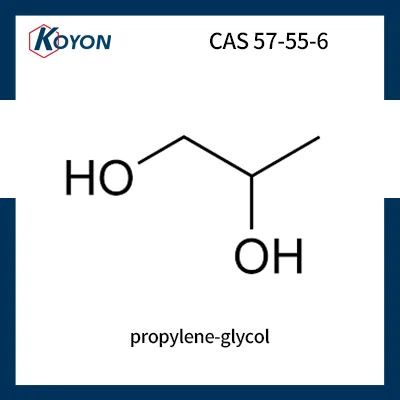

In addition to temperature, the concentration of propylene glycol in a solution also affects its thermal conductivity. When propylene glycol is mixed with water, the thermal conductivity of the solution is lower than that of pure water. This is because the propylene glycol molecules disrupt the hydrogen bonding network in water, which reduces the efficiency of heat transfer.
Factors Affecting the Thermal Conductivity of Propylene Glycol
Several factors can influence the thermal conductivity of propylene glycol. Here are some of the key factors:
- Temperature: As mentioned earlier, the thermal conductivity of propylene glycol increases with temperature. This is because at higher temperatures, the molecules of propylene glycol have more kinetic energy, which allows them to transfer heat more efficiently.
- Concentration: The concentration of propylene glycol in a solution affects its thermal conductivity. When propylene glycol is mixed with water, the thermal conductivity of the solution is lower than that of pure water. This is because the propylene glycol molecules disrupt the hydrogen bonding network in water, which reduces the efficiency of heat transfer.
- Pressure: The pressure also has a minor effect on the thermal conductivity of propylene glycol. At higher pressures, the molecules of propylene glycol are more closely packed, which increases the efficiency of heat transfer.
- Impurities: The presence of impurities in propylene glycol can also affect its thermal conductivity. Impurities can disrupt the molecular structure of propylene glycol, which reduces the efficiency of heat transfer.
Significance of Thermal Conductivity in Different Applications
The thermal conductivity of propylene glycol is an important property that determines its suitability for various applications. Here are some of the key applications where the thermal conductivity of propylene glycol plays a crucial role:
- HVAC Systems: Propylene glycol is commonly used as a heat transfer fluid in HVAC systems. Its relatively high thermal conductivity allows it to transfer heat efficiently, which helps to maintain a comfortable indoor temperature. Additionally, propylene glycol has a low freezing point, which makes it suitable for use in cold climates.
- Food and Beverage Industry: Propylene glycol is used as a food additive and a solvent in the food and beverage industry. Its thermal conductivity is important in applications such as food processing, where it is used to transfer heat during cooking, pasteurization, and cooling processes.
- Pharmaceutical Industry: Propylene glycol is used as a solvent and a carrier in the pharmaceutical industry. Its thermal conductivity is important in applications such as drug formulation, where it is used to dissolve and deliver drugs.
- Cosmetics Industry: Propylene glycol is used as a humectant and a solvent in the cosmetics industry. Its thermal conductivity is important in applications such as skincare products, where it helps to transfer heat from the skin, which can improve the comfort and effectiveness of the product.
Comparison with Other Glycols
Propylene glycol is not the only glycol used in various applications. Other commonly used glycols include Dipropylene Glycol and 1,2-Hexanediol. Let's compare the thermal conductivity of propylene glycol with these other glycols:
- Dipropylene Glycol: Dipropylene glycol has a slightly lower thermal conductivity than propylene glycol. At room temperature, the thermal conductivity of dipropylene glycol is approximately 0.22 W/(m·K). However, dipropylene glycol has a lower viscosity than propylene glycol, which makes it easier to pump and handle.
- 1,2-Hexanediol: 1,2-Hexanediol has a lower thermal conductivity than propylene glycol. At room temperature, the thermal conductivity of 1,2-hexanediol is approximately 0.18 W/(m·K). However, 1,2-hexanediol has excellent antimicrobial properties, which makes it suitable for use in cosmetics and personal care products.
Conclusion
In conclusion, the thermal conductivity of propylene glycol is an important property that determines its suitability for various applications. At room temperature, the thermal conductivity of pure propylene glycol is approximately 0.24 W/(m·K), and it increases with temperature. The concentration of propylene glycol in a solution also affects its thermal conductivity, with lower concentrations resulting in higher thermal conductivity.
As a Propylene Glycol supplier, we understand the importance of providing high-quality products with consistent thermal conductivity. Whether you're in the HVAC, food, pharmaceutical, or cosmetics industry, we can provide you with the propylene glycol you need to meet your specific requirements.
If you're interested in learning more about our propylene glycol products or have any questions about thermal conductivity, please don't hesitate to contact us. We're here to help you make the right choice for your application and to ensure your success.
References
- Incropera, F. P., DeWitt, D. P., Bergman, T. L., & Lavine, A. S. (2019). Fundamentals of Heat and Mass Transfer. Wiley.
- Perry, R. H., & Green, D. W. (2007). Perry's Chemical Engineers' Handbook. McGraw-Hill.