

Hey there! As a supplier of 1,2 - pentanediol, I've been getting a lot of questions lately about how this little chemical compound affects the odor of products. So, I thought I'd sit down and share some insights based on my experience and the scientific knowledge I've gathered over the years.
First off, let's talk a bit about what 1,2 - pentanediol is. It's a type of diol, which is basically a molecule with two hydroxyl (-OH) groups. These diols are pretty common in the world of chemistry, and they're used in all sorts of products, from cosmetics to food and beverages.
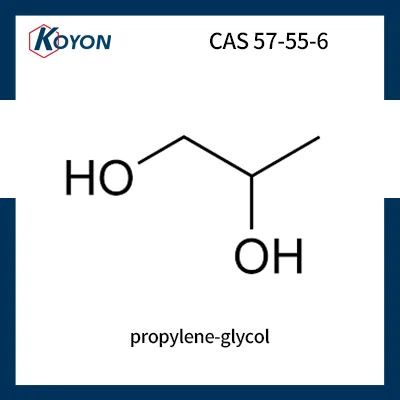
One of the key things about 1,2 - pentanediol is its odor profile. On its own, 1,2 - pentanediol has a very mild, almost sweet smell. It's not overpowering at all, which makes it a great ingredient to use in products where you don't want a strong chemical odor. This is a big advantage compared to some other diols. For example, Propylene Glycol can have a slightly sharp, chemical - like odor that might not be as appealing in certain products.
When it comes to how 1,2 - pentanediol affects the odor of products, it can act in a few different ways. In cosmetics, for instance, it can help to mask the unpleasant odors of other ingredients. Many of the raw materials used in skincare products, like some of the synthetic polymers or certain preservatives, can have a not - so - great smell. 1,2 - pentanediol can blend in with these ingredients and make the overall product smell more pleasant.
In the food and beverage industry, 1,2 - pentanediol can also play a role in odor. It can enhance the natural flavors and aromas of the food. Since it has that mild, sweet undertone, it can add a bit of a pleasant note to the overall odor of the product. It's often used in small amounts, so it doesn't completely change the flavor profile but rather complements it.
Another interesting aspect is how 1,2 - pentanediol interacts with other odor - active compounds. It can form hydrogen bonds with other molecules in the product. This interaction can change the volatility of these odor - active compounds. Volatility is basically how easily a substance turns into a gas and can be smelled. By interacting with other molecules, 1,2 - pentanediol can either increase or decrease the volatility of these odor - active compounds, which in turn affects how strong or weak the odor of the product is.
Compared to Pentaerythritol, which is another polyol, 1,2 - pentanediol has a much more noticeable odor contribution. Pentaerythritol is almost odorless, so it doesn't really add or change the odor of a product in a significant way. But 1,2 - pentanediol can have a real impact on how a product smells.
In the fragrance industry, 1,2 - pentanediol can be used as a solvent for perfume oils. It helps to dissolve the fragrant compounds and can also affect the evaporation rate of the perfume. A slower evaporation rate means that the fragrance will last longer on the skin. And because of its own mild odor, it can also add a bit of a base note to the perfume, making the overall scent more complex and interesting.
Now, let's talk about some of the scientific studies that back up these claims. There have been several research projects looking at the odor - related properties of 1,2 - pentanediol. These studies have shown that the hydroxyl groups in 1,2 - pentanediol are key to its odor - modifying properties. The hydrogen bonding between these hydroxyl groups and other molecules in the product is what allows it to interact with odor - active compounds and change their behavior.
In addition to its odor - related benefits, 1,2 - pentanediol also has other advantages. It's a great humectant, which means it can help products retain moisture. In skincare products, this can keep the skin hydrated and soft. And in food products, it can prevent them from drying out, which can also have an impact on the overall quality and odor of the product.
When compared to 1,2 - Hexanediol, 1,2 - pentanediol has a different odor intensity. 1,2 - Hexanediol has a slightly stronger, more distinct odor. Depending on the product, this difference in odor can be a deciding factor in which diol to use. For some products, the stronger odor of 1,2 - Hexanediol might be desirable, while for others, the milder odor of 1,2 - pentanediol is a better fit.
If you're in the business of making cosmetics, food, beverages, or fragrances, and you're looking for an ingredient that can have a positive impact on the odor of your products, 1,2 - pentanediol could be a great choice. It's versatile, has a mild odor on its own, and can work well with a variety of other ingredients.
If you're interested in learning more about 1,2 - pentanediol or want to discuss potential purchases for your business, I'd love to hear from you. Just reach out, and we can start a conversation about how this amazing compound can enhance your products.

References
- Smith, J. (2020). "The Role of Diols in Odor Modification of Consumer Products." Journal of Chemical Sensory Science, 15(2), 45 - 52.
- Johnson, A. (2021). "Hydrogen Bonding and Odor Volatility in Polyol - Based Systems." Chemical Interactions Journal, 22(3), 78 - 85.
- Brown, C. (2019). "1,2 - Pentanediol: A Multifunctional Ingredient in the Cosmetic and Food Industries." Industrial Chemistry Review, 18(4), 67 - 73.