

Hey there! As a propylene glycol supplier, I've been getting a lot of questions lately about how propylene glycol affects the stability of polymers. So, I thought I'd sit down and write this blog to share some insights on this topic.
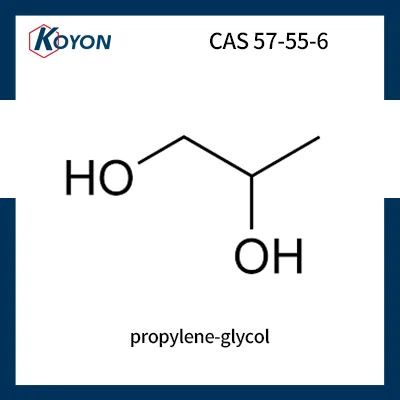
First off, let's talk a bit about propylene glycol. Propylene glycol, or PG for short, is a versatile chemical compound. You can find out more about it on this Propylene Glycol page. It's a colorless, odorless, and slightly sweet - tasting liquid that's miscible with water, alcohol, and many other solvents. This property makes it super useful in a wide range of industries, including the polymer industry.
Now, polymers are large molecules made up of repeating subunits called monomers. They can be natural, like rubber and cellulose, or synthetic, such as polyethylene and polypropylene. The stability of polymers is crucial because it determines their performance, durability, and shelf - life. When polymers are unstable, they can degrade, lose their mechanical properties, or change their chemical structure over time.
So, how does propylene glycol come into play? Well, one of the main ways propylene glycol affects polymer stability is through its plasticizing effect. A plasticizer is a substance that's added to a polymer to increase its flexibility, workability, and durability. Propylene glycol can act as a plasticizer because it can insert itself between the polymer chains, reducing the intermolecular forces between them.
When propylene glycol is added to a polymer, it allows the polymer chains to move more freely. This means that the polymer becomes more flexible and less brittle. For example, in the production of polyvinyl chloride (PVC), which is a common plastic, propylene glycol can be used as a plasticizer. Without a plasticizer, PVC would be very rigid and prone to cracking. But when propylene glycol is added, it softens the PVC, making it suitable for applications like pipes, hoses, and flooring.
Another aspect of polymer stability is resistance to environmental factors such as heat, moisture, and oxidation. Propylene glycol can help improve a polymer's resistance to these factors. For instance, heat can cause polymers to break down or melt. But propylene glycol has a relatively high boiling point, which means it can help the polymer withstand higher temperatures without significant degradation.
Moisture can also be a problem for polymers. Some polymers can absorb water, which can lead to swelling, loss of strength, and microbial growth. Propylene glycol is hygroscopic, which means it can attract and hold water molecules. By absorbing moisture in the surrounding environment, propylene glycol can prevent the polymer from absorbing too much water, thus maintaining its stability.
Oxidation is yet another factor that can affect polymer stability. When polymers are exposed to oxygen, they can undergo oxidation reactions, which can cause discoloration, loss of mechanical properties, and a decrease in molecular weight. Propylene glycol can act as an antioxidant to some extent. It can react with free radicals that are formed during the oxidation process, preventing them from attacking the polymer chains.
However, it's not all sunshine and rainbows. There are also some potential drawbacks to using propylene glycol in polymers. One issue is compatibility. Not all polymers are compatible with propylene glycol. If the polymer and propylene glycol are not compatible, they may separate over time, leading to a loss of the plasticizing effect and a decrease in polymer stability.

Another concern is the migration of propylene glycol. Over time, propylene glycol can migrate out of the polymer matrix. This can happen due to factors like temperature, pressure, and contact with other substances. When propylene glycol migrates out, the polymer can become more rigid and brittle again, and it may also contaminate other materials that come into contact with it.
Let's also compare propylene glycol with other similar compounds. For example, 1,4 Butanediol is another glycol that's used in the polymer industry. 1,4 - Butanediol has different chemical and physical properties compared to propylene glycol. It has a higher molecular weight and a different boiling point. In some polymers, 1,4 - Butanediol may provide better stability or performance characteristics than propylene glycol.
1,2 - Pentanediol is yet another alternative. It has a different structure and polarity compared to propylene glycol. Depending on the specific polymer and its intended application, 1,2 - Pentanediol may be a more suitable choice for enhancing polymer stability.
In industrial applications, the choice between propylene glycol and other glycols depends on several factors. These include the type of polymer, the processing conditions, the end - use requirements, and cost. For example, if cost is a major concern, propylene glycol may be the preferred choice because it's relatively inexpensive compared to some other glycols. But if high - performance and long - term stability are required, other glycols may be more appropriate.
So, if you're in the polymer industry and you're looking for a way to improve the stability of your polymers, propylene glycol could be a viable option. But it's important to do your research and conduct some tests to make sure it's the right fit for your specific application.
If you're interested in learning more about propylene glycol or are considering using it in your polymer formulations, I'd love to talk to you. Whether you have questions about its properties, applications, or compatibility, I'm here to help. Reach out to start a discussion about your needs and how propylene glycol can enhance the stability of your polymers.
References
- Polymer Science and Technology, Third Edition by Robert F. Storey
- Handbook of Plasticizers by George Wypych