

Hey there! I'm a supplier of anhydrides, and over the years, I've seen firsthand how important it is to store these chemicals properly. Anhydrides are a group of reactive compounds used in a wide range of industries, from plastics and coatings to pharmaceuticals and electronics. But if they're not stored correctly, they can pose a serious risk to both your health and your bottom line. So, in this blog post, I'm going to share some tips on how to store anhydrides properly.
Understanding Anhydrides
Before we dive into the storage tips, let's take a quick look at what anhydrides are and why they need special handling. Anhydrides are compounds that are formed by removing water from an acid. They're highly reactive and can react violently with water, air, and other chemicals. This reactivity makes them useful in many industrial processes, but it also means that they need to be stored carefully to prevent accidents.
There are several types of anhydrides, each with its own unique properties and storage requirements. Some of the most common types of anhydrides include Trimellitic Anhydride, Pyromellitic Dianhydride, and Maleic Anhydride.
General Storage Guidelines
Now that we have a basic understanding of anhydrides, let's talk about some general storage guidelines that apply to all types of anhydrides.
Keep Them Dry
One of the most important things to remember when storing anhydrides is to keep them dry. Anhydrides react with water to form acids, which can cause corrosion and other damage. To prevent this, make sure that the storage area is dry and free from moisture. You can use desiccants, such as silica gel, to absorb any moisture that might be present in the storage container.
Store in a Cool Place
Anhydrides are sensitive to heat and can decompose or react with other chemicals if they're stored at high temperatures. To prevent this, store anhydrides in a cool place, away from direct sunlight and heat sources. A temperature-controlled storage area is ideal, but if that's not possible, try to keep the storage area as cool as possible.
Use the Right Containers
When storing anhydrides, it's important to use the right containers. Anhydrides can react with some types of plastics and metals, so it's important to choose containers that are made from materials that are compatible with the anhydride. Glass, stainless steel, and certain types of plastics are all good choices for storing anhydrides.
Label the Containers
To avoid confusion and prevent accidents, it's important to label the containers that you're using to store anhydrides. Make sure that the labels include the name of the anhydride, the date that it was received, and any other relevant information, such as the batch number and the expiration date.
Specific Storage Requirements
In addition to the general storage guidelines, each type of anhydride has its own specific storage requirements. Let's take a look at some of the most common types of anhydrides and their storage requirements.
Trimellitic Anhydride
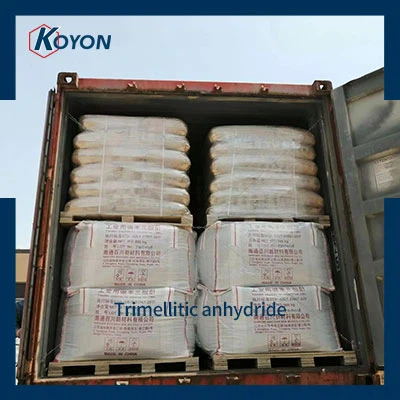
Trimellitic Anhydride is a white crystalline solid that's used in the production of plastics, coatings, and other materials. It's highly reactive and can react with water, air, and other chemicals. To store Trimellitic Anhydride properly, it should be kept in a dry, cool place, away from direct sunlight and heat sources. It should also be stored in a container that's made from a material that's compatible with the anhydride, such as glass or stainless steel.
Pyromellitic Dianhydride
Pyromellitic Dianhydride is a white powder that's used in the production of high-performance polymers and other materials. It's highly reactive and can react with water, air, and other chemicals. To store Pyromellitic Dianhydride properly, it should be kept in a dry, cool place, away from direct sunlight and heat sources. It should also be stored in a container that's made from a material that's compatible with the anhydride, such as glass or stainless steel.
Maleic Anhydride
Maleic Anhydride is a white crystalline solid that's used in the production of plastics, coatings, and other materials. It's highly reactive and can react with water, air, and other chemicals. To store Maleic Anhydride properly, it should be kept in a dry, cool place, away from direct sunlight and heat sources. It should also be stored in a container that's made from a material that's compatible with the anhydride, such as glass or stainless steel.

Safety Precautions
When handling and storing anhydrides, it's important to take the necessary safety precautions to protect yourself and others. Here are some safety tips to keep in mind:
Wear Protective Gear
When handling anhydrides, it's important to wear protective gear, such as gloves, goggles, and a lab coat. This will help to protect you from any potential exposure to the anhydride.
Follow Proper Handling Procedures
When handling anhydrides, it's important to follow proper handling procedures. This includes using the right tools and equipment, such as a scoop or a funnel, and avoiding any contact with the skin or eyes.
Have a Spill Kit on Hand
In case of a spill, it's important to have a spill kit on hand. The spill kit should include materials such as absorbent pads, neutralizing agents, and protective gear. Make sure that you know how to use the spill kit properly and that you have it readily available in case of an emergency.
Train Your Employees
If you have employees who will be handling or storing anhydrides, it's important to train them on the proper handling and storage procedures. This will help to ensure that they know how to handle the anhydrides safely and that they understand the potential risks associated with working with these chemicals.
Conclusion
Storing anhydrides properly is essential for ensuring the safety of your employees and the integrity of your products. By following the general storage guidelines and the specific storage requirements for each type of anhydride, you can minimize the risk of accidents and ensure that your anhydrides are stored in the best possible conditions.
If you're in the market for high-quality anhydrides, look no further. As a trusted supplier, we offer a wide range of anhydrides to meet your specific needs. Whether you're looking for Trimellitic Anhydride, Pyromellitic Dianhydride, or Maleic Anhydride, we've got you covered.
If you have any questions or would like to discuss your anhydride requirements, feel free to reach out. We're here to help you find the right solutions for your business.
References
- "Handling and Storage of Chemicals." Chemical Safety Facts.
- "Anhydrides: Properties, Uses, and Storage." Journal of Chemical Education.