

As a reputable neopentyl glycol (NPG) supplier, I've witnessed firsthand the transformative impact this versatile compound has in the textile industry. Neopentyl glycol, a white crystalline solid with excellent chemical stability and solubility, possesses unique properties that make it an indispensable ingredient in various textile applications. In this blog, we'll delve into the specific uses of neopentyl glycol in the textile sector and understand why it's a game - changer for textile manufacturers.

1. Production of Polyester Resins
One of the primary applications of neopentyl glycol in the textile industry is in the synthesis of polyester resins. Polyester resins are widely used in textile finishing, coating, and the production of synthetic fibers. When neopentyl glycol is used in the production of polyester resins, it imparts several desirable characteristics to the final product.
NPG - based polyester resins have high resistance to hydrolysis. This is crucial in the textile industry as textiles are often exposed to various environmental conditions, including moisture. The hydrolysis - resistant property of NPG - based polyester resins ensures that the textile products maintain their structural integrity and performance over time. For example, outdoor textiles such as awnings and tents need to withstand rain and humidity. The use of polyester resins made with neopentyl glycol helps these textiles resist degradation caused by water, thus increasing their lifespan.
Moreover, polyester resins incorporating neopentyl glycol offer good flexibility and adhesion. In textile coating applications, these resins can form a protective and durable layer on the fabric surface. When applied to fabrics like polyester or nylon, these coatings can enhance the fabric's resistance to abrasion, chemicals, and UV radiation. This is particularly important for technical textiles used in industries such as automotive, aerospace, and sports equipment manufacturing.
2. Plasticizers for Textile Fibers
Neopentyl glycol can also be used as a plasticizer in the production of textile fibers. Plasticizers are substances added to polymers to increase their flexibility, workability, and distensibility. When used in textile fibers, neopentyl glycol - based plasticizers can improve the softness and drape of the fabric.
For natural fibers like cotton and wool, the addition of NPG - based plasticizers can enhance their processing properties during manufacturing. For example, during spinning and weaving, these plasticizers can reduce the friction between fibers, making the process more efficient and reducing the likelihood of fiber breakage. This results in a higher - quality fabric with fewer defects.
In the case of synthetic fibers such as polyesters and polyamides, neopentyl glycol acts as a plasticizer to adjust the glass - transition temperature (Tg) of the polymer. By lowering the Tg, the fibers become more flexible and can be processed more easily into different forms, such as fine - denier yarns or non - woven fabrics. These flexible fibers are also more comfortable to wear, which is a significant advantage in the production of apparel textiles.
3. Cross - Linking Agent in Textile Finishing
In textile finishing, neopentyl glycol serves as an effective cross - linking agent. Cross - linking is a process where polymer chains are chemically bonded together, creating a three - dimensional network structure. This can significantly improve the physical and chemical properties of the fabric.
When used in the finishing of cotton fabrics, neopentyl glycol - based cross - linking agents can enhance the fabric's wrinkle resistance. The cross - linking process restricts the movement of the cotton fibers, preventing them from creasing easily. This is highly desirable in the production of shirting and other cotton - based dress fabrics, as it reduces the need for frequent ironing and helps the fabric maintain a smooth appearance throughout the day.
Additionally, cross - linking with neopentyl glycol can improve the fabric's shrinkage control. By locking the fibers in place, the fabric is less likely to shrink during washing and drying cycles. This is an important consideration for both consumers and textile manufacturers, as it ensures that the final product maintains its intended size and shape over multiple uses.
4. Flame Retardants in Textiles
The use of neopentyl glycol is also significant in the development of flame - retardant textiles. Some derivatives of neopentyl glycol can be incorporated into the fabric structure to reduce its flammability.
In industries such as hospitality, healthcare, and transportation, flame - retardant textiles are a must - have safety requirement. For example, hotel curtains, hospital bedding, and aircraft upholstery need to meet strict fire - safety standards. Neopentyl glycol - based flame retardants can be applied to these textiles through various processes, such as padding or coating. These substances work by releasing non - flammable gases when exposed to heat, which dilutes the oxygen around the fabric and slows down the combustion process.
Compared to some traditional flame retardants, neopentyl glycol - based options can often provide good flame - retardant performance with less impact on the fabric's aesthetic and mechanical properties. This means that the treated textiles can still maintain their original look, feel, and durability, while meeting the necessary fire - safety regulations.
5. Comparison with Other Glycols and Polyols
It's important to understand how neopentyl glycol compares with other commonly used glycols and polyols in the textile industry. When it comes to 1,2 - Pentanediol, while it also offers certain solubility and chemical reactivity, neopentyl glycol has a more stable molecular structure. This stability translates into better long - term performance in textile applications, especially in terms of resistance to environmental factors.
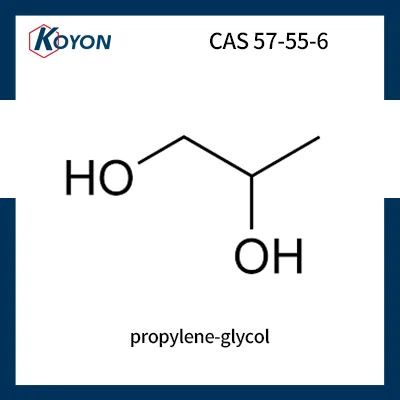
Propylene Glycol is also widely used in the textile industry, mainly as a solvent and in some cases as a plasticizer. However, neopentyl glycol - based products can provide enhanced flexibility and adhesion in textile coatings and resin applications. The branched structure of neopentyl glycol contributes to these superior properties compared to the linear structure of propylene glycol.
Pentaerythritol is often used in the production of polyester polyols for coatings. Neopentyl glycol, on the other hand, can be used in combination with pentaerythritol in some formulations to achieve a better balance of properties. For example, adding neopentyl glycol to pentaerythritol - based polyester polyols can improve the hydrolysis resistance and flexibility of the resulting coating, making it more suitable for textile applications.
6. Conclusion and Call to Action
The applications of neopentyl glycol in the textile industry are vast and far - reaching. From improving the quality of polyester resins and fibers to enhancing the safety and performance of textiles through flame - retardancy and cross - linking, neopentyl glycol is an essential component in modern textile manufacturing.
As a reliable neopentyl glycol supplier, we are committed to providing high - quality NPG products to meet the diverse needs of the textile industry. Our products are produced under strict quality control standards, ensuring consistent performance and purity.
If you're a textile manufacturer looking to enhance the quality and performance of your products, or if you have any questions about the applications of neopentyl glycol in your specific processes, we're here to help. We invite you to reach out to us for more information and to discuss potential procurement opportunities. Let's work together to create innovative and high - quality textile solutions.
References
- Dombrowski, R. (2010). Polyols and Polyurethanes. Rapra Technology.
- Wakefield, S. B. (2011). The Chemistry and Technology of Coatings. Wiley - Blackwell.
- Patel, M. K., & Parikh, J. P. (2015). Textile Finishing: Principles, Processes, and Performance. Woodhead Publishing.