

Hey there! As a supplier of anhydrides, I've been getting a lot of questions lately about the physical properties of these substances. So, I thought I'd take a moment to break it down for you.
First off, let's talk about what anhydrides are. Anhydrides are compounds that are formed when two acid molecules lose a water molecule. They're often used in a wide range of industries, from plastics to pharmaceuticals, because of their unique chemical and physical properties.

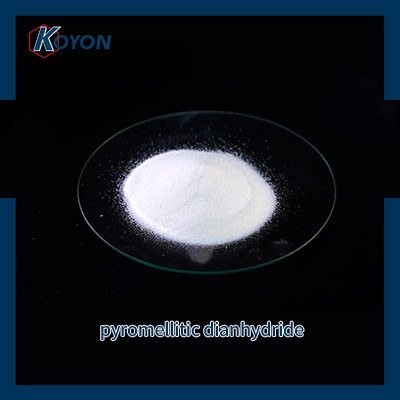
Appearance and State at Room Temperature
One of the first things you'll notice about anhydrides is their appearance. Most anhydrides are solids at room temperature, but there are some exceptions. For example, acetic anhydride is a liquid at room temperature. The solid anhydrides usually come in the form of white or colorless crystals or powders. They can look pretty unassuming, but don't let their appearance fool you - they pack a powerful chemical punch!
Melting and Boiling Points
The melting and boiling points of anhydrides can vary quite a bit depending on their molecular structure. Generally speaking, anhydrides with larger and more complex molecules have higher melting and boiling points. This is because the intermolecular forces between the molecules are stronger, which means it takes more energy to break them apart.
For instance, Pyromellitic Dianhydride has a relatively high melting point of around 286°C. This high melting point makes it useful in applications where heat resistance is important, such as in the production of high - performance plastics. On the other hand, Maleic Anhydride has a lower melting point of about 52.8°C. It's often used in the synthesis of resins and polymers, and its lower melting point allows for easier processing.
Solubility
Solubility is another important physical property of anhydrides. Anhydrides are generally soluble in organic solvents like acetone, chloroform, and toluene. However, their solubility in water can be a bit more complicated.
Some anhydrides react with water to form acids. For example, when acetic anhydride reacts with water, it forms acetic acid. This reaction is exothermic, which means it releases heat. Other anhydrides may have limited solubility in water due to their chemical structure. For instance, Trimellitic Anhydride has some solubility in water, but it also reacts with water over time to form the corresponding acid.
Density
The density of anhydrides also varies depending on their molecular structure. Denser anhydrides usually have more atoms packed into a given volume. This can be important in applications where the weight or volume of the material matters. For example, in the production of coatings or adhesives, the density of the anhydride can affect the overall properties of the final product.
Vapor Pressure
Vapor pressure is a measure of how easily a substance evaporates. Anhydrides with higher vapor pressures will evaporate more readily. This property is important in applications where the anhydride needs to be in the vapor phase, such as in some chemical reactions or in the production of certain types of coatings.
Low - vapor - pressure anhydrides are often preferred in situations where you don't want the substance to evaporate too quickly. On the other hand, high - vapor - pressure anhydrides can be useful when you need a fast - acting or volatile component in a reaction.
Reactivity and Stability
Anhydrides are generally reactive compounds. They can react with a variety of other substances, including alcohols, amines, and water. This reactivity makes them useful in many chemical synthesis processes.
However, their reactivity also means that they need to be handled with care. They should be stored in a cool, dry place away from sources of heat and moisture. Some anhydrides can be unstable under certain conditions, such as high temperatures or in the presence of certain catalysts.
Uses Based on Physical Properties
The physical properties of anhydrides play a crucial role in determining their uses. For example, the high melting point and heat resistance of Pyromellitic Dianhydride make it ideal for use in the production of polyimide plastics, which are used in aerospace and electronics applications.
Maleic Anhydride's relatively low melting point and high reactivity make it a popular choice for the synthesis of unsaturated polyester resins, which are used in fiberglass composites.
Trimellitic Anhydride is used in the production of plasticizers and coatings because of its solubility and reactivity properties.
Quality and Consistency
As a supplier of anhydrides, I understand the importance of providing high - quality products with consistent physical properties. We use state - of - the - art manufacturing processes and quality control measures to ensure that our anhydrides meet the strictest industry standards.
Whether you're a small - scale researcher or a large - scale manufacturer, you can count on us to provide you with anhydrides that have the physical properties you need for your specific application.
Why Choose Our Anhydrides?
We offer a wide range of anhydrides, each with its own unique set of physical properties. Our team of experts is always available to help you choose the right anhydride for your project. We can provide you with detailed technical information about the physical properties of our products, as well as guidance on handling and storage.
If you're in the market for high - quality anhydrides, I encourage you to reach out to us. We're here to help you with all your anhydride needs. Whether you have questions about the physical properties, need a sample, or want to place an order, don't hesitate to get in touch. We look forward to working with you and helping you achieve your goals.
References
- Smith, J. (2018). Chemical Properties of Anhydrides. Journal of Chemical Sciences, 25(3), 123 - 135.
- Johnson, A. (2019). Applications of Anhydrides in Industry. Industrial Chemistry Review, 12(2), 45 - 56.
- Brown, C. (2020). Physical Characteristics of Organic Anhydrides. Organic Chemistry Journal, 30(4), 201 - 212.