

Handling anhydrides is a task that demands a high level of caution and knowledge. As a supplier of various anhydrides, I've seen firsthand the importance of safety in this process. In this blog, I'll share some key safety precautions when dealing with these chemical compounds.
Understanding Anhydrides
Anhydrides are chemical compounds that are formed by removing water from an acid. They come in different types, such as Maleic Anhydride, Pyromellitic Dianhydride, and Phthalic Anhydride. Each type has its own unique properties and potential hazards, but they all share some common risks.
Personal Protective Equipment (PPE)
One of the first things you need to do when handling anhydrides is to wear the right PPE. This includes safety goggles to protect your eyes from potential splashes or fumes. Chemical-resistant gloves are also a must. Anhydrides can react with your skin, causing irritation or even burns. So, make sure the gloves you choose are suitable for the specific anhydride you're working with.
A lab coat or protective clothing is another essential piece of PPE. It helps to prevent any contact between the anhydride and your skin. And don't forget about respiratory protection. If you're working in an area where there might be fumes or dust, a respirator can help you avoid inhaling harmful particles.
Storage
Proper storage of anhydrides is crucial for safety. They should be stored in a cool, dry place away from sources of heat and ignition. Anhydrides can be reactive, and heat can increase the risk of a chemical reaction. Make sure the storage area is well-ventilated to prevent the build-up of fumes.
Also, keep anhydrides away from incompatible substances. For example, some anhydrides can react violently with water, so they should be stored in a place where they won't come into contact with moisture. It's a good idea to label the storage containers clearly with the name of the anhydride, its hazards, and any special handling instructions.
Handling Procedures
When handling anhydrides, always follow the proper procedures. First, make sure you have a clear understanding of the specific anhydride you're working with. Read the safety data sheet (SDS) carefully to learn about its properties, hazards, and recommended handling methods.
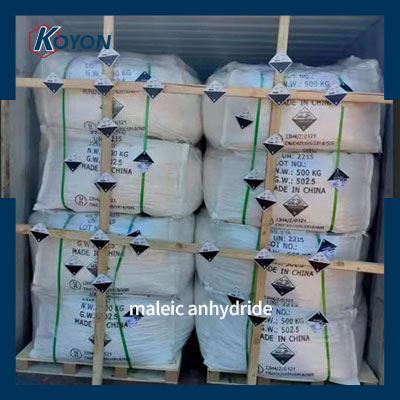

When transferring anhydrides from one container to another, use appropriate equipment. For example, a funnel can help prevent spills. And always work in a well-ventilated area. If possible, use a fume hood to remove any fumes or dust generated during the handling process.
Avoid any unnecessary agitation or shaking of the anhydride containers. This can increase the risk of spills or the release of fumes. And if you do spill an anhydride, follow the appropriate spill response procedures immediately.
Emergency Preparedness
No matter how careful you are, accidents can still happen. That's why it's important to be prepared for emergencies. Have an emergency plan in place that includes procedures for dealing with spills, fires, and other incidents.
Make sure you have access to emergency equipment, such as fire extinguishers, eye wash stations, and safety showers. Train your employees on how to use this equipment properly. And in case of an emergency, know who to contact for help. This could include the local fire department or a hazardous materials response team.
Training
Proper training is essential for anyone who handles anhydrides. Make sure your employees are trained on the properties, hazards, and safe handling procedures of the specific anhydrides they'll be working with. This training should include hands-on demonstrations and practical exercises.
Regular refresher courses can also be beneficial. As new information becomes available about anhydrides and their safety, it's important to keep your employees up-to-date. This will help ensure that they're always following the best practices for handling these chemicals.
Conclusion
Handling anhydrides safely is a top priority for us as a supplier. By following these safety precautions, you can minimize the risks associated with these chemicals and protect yourself and others. If you're in the market for high-quality anhydrides, we're here to help. Whether you need Maleic Anhydride, Pyromellitic Dianhydride, or Phthalic Anhydride, we can provide you with the products you need. Contact us to discuss your requirements and start a procurement negotiation.
References
- Chemical Safety Data Sheets for Maleic Anhydride, Pyromellitic Dianhydride, and Phthalic Anhydride.
- Occupational Safety and Health Administration (OSHA) guidelines for handling hazardous chemicals.