

Maleic anhydride is a crucial chemical compound widely used in various industries, including the production of unsaturated polyester resins, alkyd resins, and plasticizers. As a reputable maleic anhydride supplier, we understand the importance of safety when handling this substance. In this blog post, we will discuss the essential safety precautions that should be taken when working with maleic anhydride to ensure the well - being of workers and the environment.
Physical and Chemical Properties of Maleic Anhydride
Before delving into safety precautions, it is important to understand the physical and chemical properties of maleic anhydride. Maleic anhydride is a white to slightly yellowish crystalline solid with a pungent odor. It has a melting point of around 52.8°C and a boiling point of 202°C. It is highly reactive and can react violently with water, producing maleic acid and releasing heat. It is also flammable in the presence of an ignition source and can form explosive mixtures with air when finely divided.
Personal Protective Equipment (PPE)
One of the first lines of defense when handling maleic anhydride is the proper use of personal protective equipment. Workers should wear appropriate clothing to prevent skin contact. This includes chemical - resistant coveralls, gloves made of materials such as nitrile or neoprene, and safety boots. The gloves should be long - enough to cover the wrists and provide a good seal to prevent any leakage of the chemical onto the skin.
Eye protection is also crucial. Safety goggles or a face shield should be worn at all times to protect the eyes from splashes or airborne particles of maleic anhydride. Inhalation of maleic anhydride dust or vapors can cause severe respiratory problems, so workers must wear a respirator with appropriate cartridges. A full - face respirator is recommended in areas where there is a high risk of exposure to the chemical.
Handling and Storage
When handling maleic anhydride, it is essential to follow strict procedures. The substance should be transferred in a well - ventilated area to prevent the build - up of vapors. Transfer operations should be carried out slowly and carefully to avoid spills. In case of a spill, a spill - control kit should be readily available. The kit should include absorbent materials such as vermiculite or diatomaceous earth to soak up the spilled maleic anhydride.
Storage of maleic anhydride also requires special attention. It should be stored in a cool, dry, and well - ventilated area away from sources of heat, flame, and moisture. The storage containers should be made of materials that are compatible with maleic anhydride, such as stainless steel or high - density polyethylene. The containers should be tightly sealed to prevent any leakage or the entry of air and moisture. Maleic anhydride should be stored separately from other chemicals, especially those that can react with it, such as strong oxidizers, reducing agents, and bases.
Fire and Explosion Prevention
As mentioned earlier, maleic anhydride is flammable. To prevent fires and explosions, all sources of ignition should be eliminated from the work area. This includes smoking, open flames, and electrical equipment that can generate sparks. Electrical equipment used in areas where maleic anhydride is present should be explosion - proof.
Adequate fire - fighting equipment should be available, such as dry chemical fire extinguishers or carbon dioxide fire extinguishers. Water should not be used directly on a maleic anhydride fire because of its reaction with water, which can cause the fire to spread or produce toxic fumes. Workers should be trained in fire - fighting procedures and know how to use the available fire - fighting equipment.
First Aid Measures
In case of accidental exposure to maleic anhydride, it is important to have a well - defined first - aid plan. If skin contact occurs, the affected area should be immediately washed with plenty of water for at least 15 minutes. The contaminated clothing should be removed and washed before reuse. If the eyes are exposed, they should be flushed with water for at least 15 minutes, and medical attention should be sought immediately.
If maleic anhydride is inhaled, the victim should be moved to an area with fresh air. If breathing is difficult, artificial respiration may be required, but only if the rescuer is trained to do so. Medical attention should be obtained as soon as possible. In case of ingestion, do not induce vomiting and seek medical help immediately.
Environmental Considerations
Maleic anhydride can have a negative impact on the environment if not handled properly. Spills should be contained and cleaned up promptly to prevent the chemical from entering waterways or soil. Waste maleic anhydride and contaminated materials should be disposed of in accordance with local environmental regulations. This may involve sending the waste to a licensed waste - disposal facility.
Comparison with Other Anhydrides
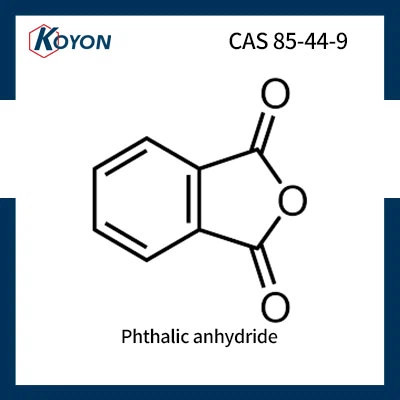
Maleic anhydride is just one of many anhydrides used in the chemical industry. For example, Phthalic Anhydride is another important anhydride used in the production of plasticizers, dyes, and pigments. Trimellitic Anhydride is used in the manufacture of high - performance polymers, and Pyromellitic Dianhydride is used in the production of polyimide resins. While these anhydrides have some similar properties, they also have their own unique safety requirements. It is important for workers to be aware of the specific safety precautions for each type of anhydride they are handling.

Training and Education
Proper training and education are essential for all workers who handle maleic anhydride. They should be trained on the physical and chemical properties of the substance, the proper use of personal protective equipment, handling and storage procedures, fire and explosion prevention, first - aid measures, and environmental considerations. Regular refresher courses should be provided to ensure that workers stay up - to - date with the latest safety information.
Conclusion
Handling maleic anhydride safely is of utmost importance for the well - being of workers and the protection of the environment. By following the safety precautions outlined in this blog post, including the use of personal protective equipment, proper handling and storage, fire and explosion prevention, first - aid measures, and environmental considerations, the risks associated with maleic anhydride can be significantly reduced.
As a maleic anhydride supplier, we are committed to providing high - quality products and ensuring that our customers have access to the information they need to handle our products safely. If you are interested in purchasing maleic anhydride or have any questions about its safe handling, please feel free to contact us for more information and to start a procurement discussion.
References
- "Handbook of Chemical Hazards and Safety", 3rd Edition, Wiley - Interscience
- "Occupational Safety and Health Administration (OSHA) Guidelines for Chemical Handling"
- "Environmental Protection Agency (EPA) Regulations on Chemical Disposal"