

Hey there! As a supplier of neopentyl glycol, I've had my fair share of experiences and knowledge about its transportation requirements. So, I thought I'd share all that I know with you in this blog.
First off, let's talk a bit about neopentyl glycol. It's a white, crystalline solid that's widely used in the production of coatings, lubricants, and plasticizers. It's an important chemical in various industries, but getting it from point A to point B requires some careful planning.
Physical and Chemical Properties Matter
One of the key things to understand about transporting neopentyl glycol is its physical and chemical properties. Neopentyl glycol has a melting point of around 54 - 56°C and a boiling point of about 208 - 210°C. It's soluble in water and many organic solvents.
These properties mean that during transportation, we need to make sure the temperature is controlled. If it gets too hot, it might melt, which could cause all sorts of problems. For example, it could leak out of its containers if they're not designed to handle a liquid state. On the other hand, extremely cold temperatures might not be a huge issue, but we still need to avoid any sudden temperature changes that could cause stress on the packaging.
Packaging is Key
The right packaging is crucial for transporting neopentyl glycol. We usually use sealed drums or bags made of materials that are resistant to chemical corrosion. This helps prevent any leakage or contamination.
Drums are a popular choice because they're sturdy and can hold a decent amount of neopentyl glycol. They're often made of steel or high - density polyethylene (HDPE). Steel drums are strong and can withstand some rough handling, but they need to be properly coated to prevent rust. HDPE drums, on the other hand, are lightweight and resistant to many chemicals, which makes them a great option too.
Bags are also used, especially for smaller quantities. They're usually made of multi - layer materials that provide a good barrier against moisture and oxygen. But bags need to be carefully sealed and placed in outer containers for protection during transit.
Regulatory Requirements
Transporting neopentyl glycol is subject to a bunch of regulations. In many countries, it's classified as a chemical substance, and there are rules about how it should be labeled, stored, and transported.
Labels on the packaging must clearly indicate what's inside, any potential hazards, and handling instructions. For example, they should say if it's flammable (neopentyl glycol isn't highly flammable, but it's still important to follow the labeling rules), toxic, or if it requires special handling.
We also need to comply with transportation regulations related to road, rail, sea, and air transport. For road transport, trucks need to be properly equipped to carry chemicals. They should have spill - containment systems in case of an accident. Rail transport also has its own set of safety requirements, such as proper coupling and braking systems to prevent derailments that could lead to chemical spills.
Sea transport involves additional considerations. Containers carrying neopentyl glycol need to be stowed in the right places on the ship to ensure stability and safety. And air transport has very strict rules due to the high - risk nature of flying with chemicals. Only certain airlines and cargo carriers are allowed to transport neopentyl glycol, and they have to follow strict weight and packaging limits.
Compatibility with Other Substances
When transporting neopentyl glycol, we need to be careful about what other substances it's near. It shouldn't be mixed with strong oxidizing agents, acids, or alkalis. If it comes into contact with these substances, it could react and cause a chemical reaction, which might release heat, gases, or even be explosive in some cases.
So, during transportation, we make sure to separate neopentyl glycol from incompatible substances. In a warehouse or on a transport vehicle, different chemicals are stored in different areas or compartments to avoid any accidental mixing.
Comparison with Other Glycols
Let's take a quick look at how the transportation requirements of neopentyl glycol compare with other similar chemicals like 1,3 - Butanediol, Propylene Glycol, and Pentaerythritol.
1,3 - Butanediol has different physical properties, such as a lower melting point. This means that its transportation might require different temperature controls. It's also more soluble in some solvents compared to neopentyl glycol, which could affect its packaging requirements.
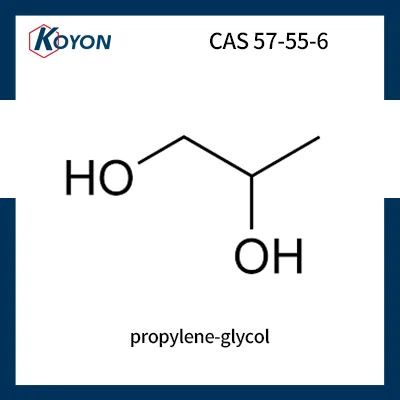
Propylene Glycol is commonly used in food and pharmaceutical applications, so its transportation has additional hygiene and safety requirements. It needs to be kept in a clean environment to prevent any contamination that could affect its quality for these sensitive uses.
Pentaerythritol is a solid like neopentyl glycol, but it has different chemical reactivity. It might be more sensitive to certain environmental factors during transportation, so its handling and storage need to be adjusted accordingly.
Monitoring and Tracking
During transportation, we use various methods to monitor and track neopentyl glycol. Temperature sensors can be placed inside the containers to make sure the temperature stays within the acceptable range. These sensors can send real - time data to a control center, so we can take action if there's a problem.
GPS tracking is also used to keep an eye on the location of the transport vehicles. This helps us know where the neopentyl glycol is at all times and can assist in case of an emergency. If a vehicle is involved in an accident or is off - route, we can quickly respond and minimize any potential damage.

Emergency Preparedness
Despite all the precautions, emergencies can still happen. That's why we have emergency response plans in place. In case of a spill, we have spill - cleanup kits available at all transport depots. These kits contain absorbent materials, protective gear, and instructions on how to safely clean up the spill.
We also train our staff on how to handle different types of emergencies. They know how to shut off valves, contain spills, and communicate with emergency services if needed. And regular drills are conducted to make sure everyone is prepared and can respond quickly and effectively.
Conclusion
Transporting neopentyl glycol is a complex process that requires a lot of attention to detail. From understanding its physical and chemical properties to complying with regulations, every step is important to ensure its safe and efficient delivery.
If you're in the market for neopentyl glycol and have any questions about our transportation process or the product itself, don't hesitate to reach out. We're always happy to have a chat and discuss how we can meet your procurement needs. Whether you need a small amount for research or a large quantity for industrial production, we've got you covered.
References
- Chemical Safety Data Sheets for Neopentyl Glycol
- International Transport Regulations for Chemical Substances
- Industry Standards for Packaging and Transportation of Glycols